
⚡ Desert Trip Cost Estimator
Estimate 2026 costs for desert adventures from major cities:
Costs include transport, guide, meals, accommodation. 1 USD ≈ 540,000 IRR. For budget help, see Budget Guide.
Iran's Deserts: A Landscape of Sublime Beauty and Adventure
Iran desert tourism offers one of the world's most extraordinary adventure experiences. Covering much of the country's central plateau, the Persian deserts—primarily the vast Dasht-e Kavir (Great Salt Desert) and the mesmerizing Dasht-e Lut (Emptiness Desert)—present landscapes of surreal beauty: endless sand seas, dramatic Kaluts (yardang formations), salt flats that shimmer like mirages, and night skies unpolluted by city lights, revealing the Milky Way in breathtaking clarity.
This comprehensive 2026 guide is your passport to exploring Iran's magnificent deserts. You'll discover the best desert destinations like Maranjab, Mesr, Shahdad, and Varzaneh. Learn about thrilling activities: camel safaris, 4x4 adventures, sandboarding, and star gazing. Find essential desert safety tips, understand the best seasons, and get practical advice on booking eco-lodges and tours. Whether you seek adventure, tranquility, or astronomical wonder, Iran's deserts await.
⚠️ Critical Desert Travel Warning
Desert environments are extreme and potentially deadly without proper preparation. Never attempt independent desert travel without an experienced local guide and appropriate 4x4 vehicles. Temperatures can exceed 50°C in summer, and drop below freezing at night. Water sources are nonexistent. Always book through reputable tour operators or established eco-lodges. Your safety is paramount.
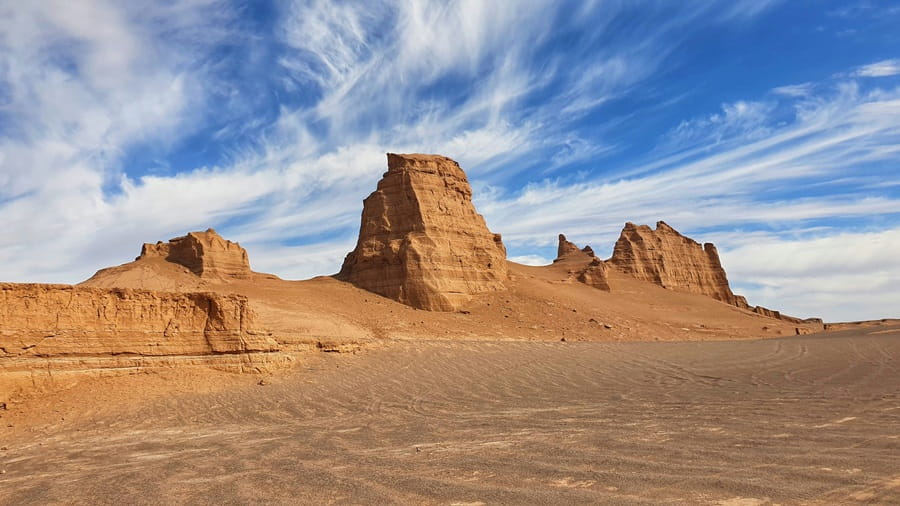
The otherworldly Kaluts (yardangs) of Shahdad in Dasht-e Lut desert at sunset—a UNESCO World Heritage site.
🏜️ Iran's Two Great Deserts: Kavir and Lut
Dasht-e Kavir (Great Salt Desert)
Located in north-central Iran, Dasht-e Kavir is characterized by vast salt flats (kavirs), mudflats, and occasional oases. The landscape is formed by the evaporation of ancient inland seas, leaving crusts of salt that crack into geometric patterns. Despite the harsh conditions, wildlife including Persian gazelles, wild sheep, and desert foxes survive near the margins. Key destinations within Kavir include Maranjab, Mesr, and Varzaneh.
Dasht-e Lut (Emptiness Desert)
In southeast Iran, Dasht-e Lut is a UNESCO World Heritage site and one of the hottest places on Earth (recorded 70.7°C in 2005). Its landscape is dramatically different—vast expanses of dark gravel, massive sand dunes reaching 300 meters, and the famous Kaluts (yardangs): wind-eroded rock formations creating a natural sculpture garden. Shahdad is the primary gateway to the Lut's wonders. The silence and isolation here are profound.
| Desert Feature | Dasht-e Kavir | Dasht-e Lut |
|---|---|---|
| Location | North-central Iran | Southeast Iran (Kerman province) |
| Landscape | Salt flats, mudflats, oases | Yardangs (Kaluts), sand dunes, gravel plains |
| Key Destinations | Maranjab, Mesr, Varzaneh | Shahdad, Kaluts, Rig-e Yalan dunes |
| Access from | Kashan, Isfahan | Kerman |
| UNESCO Status | Part of Lut World Heritage site (margins) | UNESCO World Heritage site |
📍 Top Desert Destinations in Iran
Maranjab Desert (Near Kashan)
Maranjab is the most accessible and popular desert destination, located about 50km from Kashan. Highlights include:
- Salt Lake (Daryacheh Namak): Vast salt flat with crystalline patterns, especially beautiful after rain.
- Maranjab Caravanserai: Restored Safavid-era inn, now offering basic accommodation and atmosphere.
- Sand Dunes: Perfect for sunset viewing and sandboarding.
- Camel Trekking: Traditional caravans available.
- Access: 1.5 hour 4x4 drive from Kashan. Day trips or overnight camping possible.
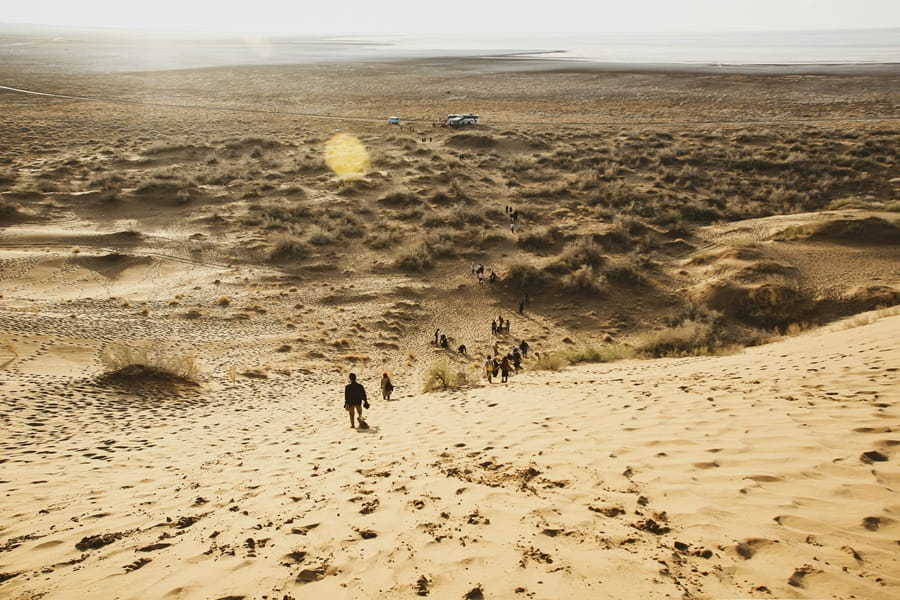
The historic Maranjab Caravanserai and the vast salt lake beyond—a gateway to the Dasht-e Kavir.
Mesr Desert (Near Isfahan)
Mesr (also called Mesr-e Arab) is a beautiful desert village with surrounding high sand dunes, located about 4-5 hours from Isfahan. Features:
- High Sand Dunes: Among Iran's tallest, excellent for sandboarding and photography.
- Eco-lodges: Traditional mud-brick accommodations with warm hospitality.
- Star Gazing: Minimal light pollution, spectacular night skies.
- Camel Safaris: Sunset camel rides to the dunes.
- Nearby: Garmeh village with oasis and palm groves.
Shahdad Desert & Kaluts (Near Kerman)
Shahdad is the gateway to the Lut Desert's Kaluts—the most dramatic desert landscape in Iran. Highlights:
- Kaluts (Yardangs): Massive wind-eroded formations stretching for kilometers, up to 80 meters high.
- Sunrise/Sunset Photography: The light transforms the formations into a golden-red fantasy.
- Star Gazing: Among the darkest skies on Earth for astronomy.
- Shahdad Desert Camp: Basic eco-camp for overnight stays.
- Access: 2-3 hour 4x4 drive from Kerman. Multi-day expeditions possible deeper into Lut.
Varzaneh Desert (Near Isfahan)
Varzaneh is a smaller, accessible desert about 1.5 hours from Isfahan. Known for:
- Accessibility: Easiest desert experience from Isfahan.
- Sand Dunes: Smaller but beautiful.
- Varzaneh Traditional Hotel: Charming eco-lodge in village.
- Salt Lake: Nearby Gavkhouni wetland (seasonal).
- Cultural Note: Varzaneh women wear distinctive white chadors.
Other Desert Destinations
- Rig-e Jenn (Dunes of Jinn): Remote, mysterious dune field in Dasht-e Kavir—only for experienced expeditions.
- Khor & Biabanak: Historic desert villages with underground aqueducts (qanats).
- Tabas: Oasis city with access to northern Lut.
🚙 Desert Activities & Adventures
Camel Trekking & Safaris
Experience the desert as ancient travelers did. Camel trekking is available in Maranjab, Mesr, and Varzaneh. Options range from short sunset rides (1-2 hours) to multi-day camel-supported treks into deeper desert. Camels are gentle, sure-footed, and offer a unique perspective. Guides handle the animals and share desert lore.
4x4 Off-Road Adventures
For thrill-seekers, 4x4 desert safaris in modified vehicles (Toyota Land Cruisers or Nissan Patrols) offer dune bashing, remote exploration, and access to otherwise unreachable areas. Professional drivers ensure safety while providing excitement. Lut Desert expeditions require experienced drivers with knowledge of the terrain.
Sandboarding
Similar to snowboarding but on sand dunes. Mesr's high dunes and Maranjab's slopes are perfect for sandboarding. Boards can be rented locally or with tours. Fun for all skill levels—the sand is soft, and falls are forgiving. Sunset sandboarding with the golden light is magical.
Star Gazing & Astronomy
✨ Iran's Dark Sky Reserves
Iran's deserts, particularly Lut, offer some of the darkest skies on the planet—perfect for astronomy. With no light pollution for hundreds of kilometers, the Milky Way is visible in stunning detail. Many eco-lodges offer telescope rentals and guided star gazing sessions. Winter nights offer the clearest views. The silence and celestial display are unforgettable.
Camping Under the Stars
Desert camping experiences range from basic (sleeping bags under the stars) to comfortable (equipped tents with bedding). Reputable operators provide all equipment, meals cooked over fire, and safety protocols. Waking to sunrise over the dunes is a memory for life. Some prefer glamping options with more amenities.
Photography Tours
Specialized photography tours cater to enthusiasts seeking the perfect desert shot—Kaluts at golden hour, star trails over dunes, salt flats reflecting sky, or caravan silhouettes. Guides know the best locations and timing. Bring wide-angle lenses, tripod, and extra batteries (cold nights drain them).
Cultural Experiences
- Desert Village Visits: Experience traditional life in Garmeh, Farahzad, or Biabanak.
- Caravanserai Stays: Sleep in historic inns like Maranjab or Zein-o-din.
- Local Cuisine: Try desert specialties like khoresht-e ghormeh sabzi with local bread.
- Music & Storytelling: Evening gatherings with local musicians around campfires.
🏕️ Desert Eco-Lodges & Accommodation
Staying in traditional eco-lodges enhances the desert experience while supporting local communities. These are typically renovated mud-brick houses offering authentic hospitality.
Top Eco-Lodges by Region
Maranjab Area
- Maranjab Caravanserai: Historic, basic rooms, atmospheric courtyard.
- Matinabad Eco-Camp: Near Natanz, combines desert with organic farm.
Mesr Village
- Mesr Eco-Lodge: Traditional, comfortable, run by local cooperative.
- Garmeh Eco-Lodge: In nearby oasis village, beautiful palm garden.
Varzaneh
- Varzaneh Traditional Hotel: Charming, excellent food, helpful staff.
- Negaar Varzaneh: Newer eco-lodge with good amenities.
Shahdad/Lut
- Shahdad Desert Camp: Basic tents near Kaluts, unforgettable location.
- Shahdad Eco-Lodge: In village, traditional experience.
What to Expect
- Rooms: Simple but clean, traditional furnishings, shared bathrooms often.
- Food: Home-cooked Persian meals, often family-style.
- Atmosphere: Warm hospitality, tea always offered, chance to meet travelers.
- Activities: Lodge staff arrange desert tours, camel rides, star gazing.
- Booking: Advance booking essential (especially spring/autumn). Many via tour operators or direct contact.
Price Range 2026: Eco-lodges: 15M-40M IRR ($28-$74) per person/night including meals. Desert camps: 10M-25M IRR ($18-$46). Caravanserai: 8M-20M IRR ($15-$37).
🌡️ Best Seasons & Weather Guide
Optimal Seasons: Spring & Autumn
March to May and September to November are perfect for desert travel. Day temperatures: 25-30°C (pleasant for activities). Night temperatures: 10-15°C (cool but comfortable with layers). Skies are typically clear. Wildflowers may appear in spring. These months are busiest—book accommodations well in advance.
Winter (December-February)
Winter offers clear, crisp days (15-20°C) but very cold nights (0°C to -10°C in Lut). Possible overnight freezing. Advantages: fewer tourists, spectacular star gazing (cold air = less atmospheric disturbance). Pack thermal layers, warm sleeping bag if camping. Some eco-lodges have heating.
Summer (June-August) - AVOID
Summer desert travel is extremely dangerous. Day temperatures regularly exceed 45-50°C (Lut can hit 60°C+). Heatstroke, dehydration, and vehicle overheating are real risks. Most reputable operators do not run tours. If you must travel (not recommended), only with experienced guides, ample water, and early morning/late evening activity.
⚠️ Weather Warning
Always check detailed forecasts before desert travel. Flash floods are possible in spring (rare but dangerous). Sandstorms can occur (reduce visibility, carry goggles/scarf). Inform lodge/guide of any medical conditions. Desert weather can change rapidly.
🛡️ Essential Desert Safety Guide
🚨 Desert Safety Golden Rules
- Never travel alone: Always with experienced guide and group.
- Tell someone your plans: Inform lodge/hotel of itinerary and return time.
- Water is life: Minimum 4-5 liters per person per day. More in summer.
- Protect from sun: Hat, sunglasses, high SPF sunscreen, loose clothing.
- Stay with vehicle: If stranded, stay with vehicle—easier to spot than a person.
- Navigation: GPS, satellite phone, experienced guide essential.
- First aid: Comprehensive kit including heat-related illness supplies.
- Communications: Satellite phone or device (mobile coverage minimal).
- Emergency contacts: Tour operator emergency number, local authorities.
Health Considerations
- Heat exhaustion/stroke: Symptoms: headache, dizziness, nausea, confusion. Treatment: shade, water, cooling.
- Dehydration: Drink regularly even if not thirsty. Avoid alcohol.
- Sunburn: Severe risk. Reapply sunscreen, cover up.
- Hypothermia: Winter nights can be deadly. Dress in layers, have warm sleeping bag.
- Snakes/scorpions: Rare, but check shoes/boots before wearing. Most avoid humans.
Vehicle Preparation
If on a 4x4 tour, ensure vehicle has: full service, spare tires (2), extra fuel, water containers, recovery equipment, first aid, fire extinguisher, satellite phone, GPS. Professional tour operators provide all.
For general Iran travel safety, see our Comprehensive Iran Safety Guide.
🎒 Desert Packing List 2026
Clothing
- Light, loose cotton/linen shirts (long sleeve for sun protection)
- Light trousers (avoid shorts—sun/sand protection)
- Warm jacket/fleece for cold nights
- Thermal layers (winter)
- Scarf/sheesh (sand protection, sun)
- Wide-brim hat
- Sturdy hiking boots
- Comfortable sandals (for camp)
Gear & Essentials
- High SPF sunscreen (50+)
- Sunglasses (UV protection)
- Head torch/flashlight + extra batteries
- Water bottles/hydration pack
- Power bank (for phone/camera)
- First aid kit (including rehydration salts)
- Lip balm with SPF
- Moisturizer (desert dry)
Photography
- Camera with manual controls
- Wide-angle lens (landscapes)
- Tripod (star photography)
- Extra batteries (cold drains)
- Memory cards (plenty)
- Lens cleaning kit (dust!)
- Camera bag with dust protection
Optional
- Portable ashtray (don't litter)
- Binoculars (wildlife viewing)
- Journal/notebook
- Snacks (nuts, dried fruit)
- Wet wipes (refreshing)
- Small gifts for village children (optional)
For complete Iran packing, see our Iran Packing Guide.
🗺️ Booking Desert Tours & Guides
Options for Desert Exploration
1. Full-Service Tour Operators (Recommended)
Professional operators in Tehran, Isfahan, and Kerman offer comprehensive desert packages including transport, guide, meals, accommodation, and activities. Benefits: safety, expertise, hassle-free, insurance. They handle permits, know best locations, and have emergency protocols. Multi-day Lut expeditions require this level of organization.
2. Eco-Lodge Arranged Tours
Once booked at an eco-lodge, you can arrange daily desert activities directly: camel rides, 4x4 trips, star gazing. Local guides know the area intimately. This is perfect for Maranjab, Mesr, or Varzaneh. Costs are reasonable and support local communities directly.
3. Independent with Local Guide
In Kashan or Isfahan, you can hire a licensed guide with 4x4 vehicle for desert day trips. Ensure they have proper credentials, experience, and emergency equipment. Never hire unlicensed drivers.
Questions to Ask Tour Operators
- What is the guide-to-traveler ratio?
- What safety equipment do you carry? (satellite phone, first aid, etc.)
- What is the emergency evacuation plan?
- Is insurance included?
- What is included/excluded in price?
- Can you provide references from past travelers?
- What vehicle type and condition?
2026 Price Ranges: Day trip from Kashan to Maranjab: 30M-60M IRR ($55-$111) per person (group). Multi-day Lut expedition from Kerman: 200M-500M IRR ($370-$925) for 2-3 days all-inclusive. Eco-lodge activities: camel ride 5M-15M IRR ($9-$28).
For help connecting with reputable operators, contact our team for recommendations.
📸 Desert Photography Tips
Golden Hours
The hour after sunrise and before sunset (golden hour) provides warm, soft light that transforms desert landscapes. For Kaluts, sunrise is spectacular as light gradually illuminates formations. Sunset paints dunes in red-gold hues.
Star Photography
Iran's deserts are astrophotography heavens. Settings: wide aperture (f/2.8 or lower), high ISO (1600-6400), 15-30 second exposure. Use manual focus set to infinity. Include foreground elements (dunes, Kaluts, tent) for scale. Milky Way core visible March-October.
Composition Tips
- Use leading lines (dune ridges, Kalut formations).
- Include human element for scale (camel, person).
- Capture textures—salt patterns, wind ripples.
- Silhouettes at sunset are dramatic.
- Protect gear from sand—use plastic bags, avoid lens changes in wind.
Best Photography Locations
- Kaluts, Shahdad: Sunrise and sunset, endless compositions.
- Mesr Sand Dunes: Patterns, shadows, camel caravans.
- Maranjab Salt Lake: Reflections after rain (rare but magical).
- Caravanserais: Architectural photography, star trails.
👳 Desert Villages & Culture
Traditional Desert Life
Visiting villages like Garmeh, Farahzad, Biabanak, or Chupanan offers insight into how people have thrived in extreme environments for millennia. You'll see:
- Qanats: Ancient underground water channels bringing mountain water to arid lands.
- Mud-brick architecture: Traditional buildings with wind-catchers (badgirs) for cooling.
- Agriculture: Date palms, pomegranates, wheat in oasis settings.
- Handicrafts: Local weaving, pottery (see our Handicrafts Guide).
Cultural Etiquette in Villages
- Ask permission before photographing people.
- Dress modestly (women wear headscarf).
- Greet with "Salam" and smile.
- Accept tea if offered—it's hospitality.
- Small purchases from local shops support community.
- Learn a few Persian phrases—appreciated. See our Phrases Guide.
For deeper cultural understanding, see our Iran Etiquette Guide.
❓ Essential Q&A for Desert Travelers
Mobile Phone Coverage
Q: Will my phone work in the desert?
A: Generally no. Coverage ends once you leave villages. Eco-lodges may have patchy Wi-Fi. Satellite phone is only reliable communication. Inform family of your plans and expected return.
Food and Water
Q: What about food and drinking water?
A: Tours/lodges provide ample food and water. Carry extra water if independent. Avoid alcohol—dehydrates. Eat light meals. Tell guides of dietary restrictions in advance.
Solo Female Travelers
Q: Is desert travel safe for solo women?
A: Yes, with reputable group tours. Many women join group desert tours. Solo independent desert travel is not recommended for anyone regardless of gender. For general solo travel, see our Solo Travel Guide.
Toilet Facilities
Q: What about bathrooms?
A: Eco-lodges have toilets (squat or Western). On camping trips, be prepared for natural facilities—guides designate areas. Bring wet wipes, hand sanitizer. Leave no trace.
Fitness Level Required
Q: Do I need to be super fit?
A: Moderate fitness sufficient. Desert activities can be adapted—camel riding is gentle, 4x4 tours cover distances. Inform guides of any health issues. Heat affects everyone—listen to your body.
Combining Desert with Other Destinations
Q: How to add desert to Iran itinerary?
A: Common routes: Tehran-Kashan-Maranjab-Isfahan (1 week). Isfahan-Varzaneh or Mesr-Yazd. Kerman-Shahdad-Lut-Bam. See our Itineraries Guide for planning.
✅ Final Desert Travel Checklist
🏜️ Desert Adventure Checklist
- Choose season: Spring or autumn optimal. Avoid summer.
- Select desert: Maranjab (easiest), Mesr (dunes), Shahdad (Kaluts), or multi-day Lut.
- Book reputable: Tour operator or eco-lodge with good reviews.
- Plan itinerary: Combine with nearby cities (Kashan, Isfahan, Kerman).
- Pack appropriately: Use our packing list—layers, sun protection, water.
- Health prep: Inform guide of conditions, bring medications.
- Safety first: Follow guide instructions, stay hydrated, protect from sun.
- Cultural respect: Dress modestly, ask before photos, accept tea.
- Enjoy: Embrace the silence, stars, and sublime landscapes.
Related Resources for Your Trip
📋 Essential Planning
🌙 Star Gazing
🍽️ Food & Culture
Need Help Planning Your Desert Adventure?
Our team can recommend trusted desert tour operators, eco-lodges, and help customize your Iran desert experience.
💬 Chat on WhatsApp for Desert AdviceFinal Thought: Iran's deserts offer a journey into silence, space, and self. They are places of profound beauty where the earth reveals its rawest forms and the sky displays its grandest spectacle. With proper preparation and respect for the environment, a desert adventure in Iran becomes an unforgettable chapter in your travel story—a memory of stars so bright you'll reach up to touch them, of sands that sing in the wind, and of hospitality as vast as the landscape itself.