
Introduction: Is Iran Safe for Tourists?
This is perhaps the most common question we receive from potential visitors to Iran. The short answer is yes, Iran is generally very safe for tourists, but like any destination, it requires awareness and common sense. The media portrayal often doesn't match the reality on the ground.
Iran has one of the lowest crime rates in the Middle East and violent crime against tourists is extremely rare. Most visitors are surprised by the warmth and hospitality they experience, often describing Iran as one of the safest countries they've visited. However, understanding the cultural context and being aware of specific safety considerations is essential for a trouble-free journey.
This comprehensive safety guide provides honest, up-to-date information about traveling safely in Iran. We'll separate facts from fiction, highlight areas of concern, and provide practical safety tips based on our extensive experience hosting international travelers.
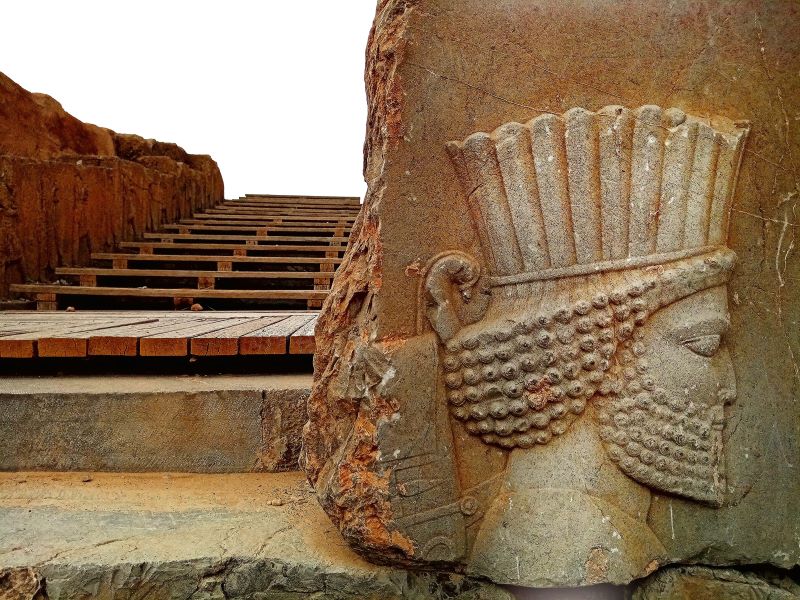
Tourists safely exploring historical sites in Iran
Safety Myths vs Reality
Many misconceptions about Iran's safety persist in international media. Let's examine the most common myths versus the reality experienced by travelers.
Myth 1: Iran is a War Zone
Reality: Iran has not been involved in direct military conflict since the 1980s Iran-Iraq war. The country is politically stable internally, and daily life continues normally. Tourist areas are completely unaffected by regional tensions.
Myth 2: Americans/Westerners are in Danger
Reality: Western tourists, including Americans, are welcomed warmly throughout Iran. The political tensions between governments don't translate to hostility toward individual travelers. Thousands of Western tourists visit safely each year.
Myth 3: Terrorism is a Major Threat
Reality: Iran has extremely low rates of terrorism compared to many other Middle Eastern countries. Security is tight, and terrorist incidents are rare and typically occur in border regions far from tourist areas.
Myth 4: Women are Unsafe
Reality: Many solo female travelers report feeling safer in Iran than in many Western countries. While dress codes must be followed, violent crime against women is very low. Iranian culture strongly values hospitality and protecting guests.
Myth 5: Political Unrest Makes Travel Dangerous
Reality: While Iran experiences occasional protests, these are typically localized and avoid tourist areas. The chances of tourists being caught in political unrest are minimal when following basic safety advice.
Fact: According to travel safety indices, Iran ranks safer than many popular destinations including the United States, France, and the United Kingdom in terms of violent crime rates.
Current Safety Situation 2025
Understanding the current safety landscape in Iran helps travelers make informed decisions. Here's the situation as of 2025:
Overall Safety Rating
Iran maintains a generally high level of safety for tourists:
- Violent Crime: Low risk - much lower than most Western countries
- Petty Crime: Moderate risk in crowded areas - similar to European cities
- Political Stability: Generally stable with occasional localized protests
- Terrorism: Low risk in tourist areas
- Transport Safety: Good on main routes, requires caution on rural roads
Regional Variations
Safety conditions vary across Iran:
- Major Cities (Tehran, Isfahan, Shiraz): Generally very safe with normal urban precautions
- Tourist Areas: High security presence, very safe
- Border Regions: Varies by border - some require caution
- Rural Areas: Generally safe with warm hospitality
Recent Developments
Key safety-related developments in 2025:
- Enhanced tourist police presence in major tourist areas
- Improved emergency services for tourists with English-speaking operators
- Digital registration system for foreign tourists for enhanced safety monitoring
- Increased tourism infrastructure investment in safe areas
Safe & Unsafe Areas
Knowing which areas are safe and which require caution is essential for planning your Iran itinerary.
Generally Safe Areas (Recommended for Tourists)
These areas have excellent safety records and are highly recommended:
- Central Iran: Isfahan, Yazd, Kashan - extremely safe with heavy tourist presence
- Northern Iran: Tehran, Mashhad, Caspian Sea resorts - generally very safe
- Southern Iran: Shiraz, Persepolis - safe with normal precautions
- Western Iran: Kermanshah, Hamadan - generally safe but check current advisories
Areas Requiring Caution
These areas may have specific safety considerations:
- Sistan-Baluchestan Province: Border areas with Pakistan/Afghanistan - avoid non-essential travel
- Khorasan Province Borders: Areas near Afghanistan border - exercise caution
- Western Border Regions: Some areas near Iraq - check current situation
Areas to Avoid
Currently recommended to avoid these regions:
- Within 100km of Afghanistan/Pakistan borders due to drug smuggling activity
- Specific border areas with Iraq (check latest advisories)
- Any military installations or sensitive government areas

General safety map of Iran (check current advisories)
Crime & Personal Safety
Understanding the crime situation and taking basic precautions will ensure your safety in Iran.
Crime Statistics
Iran has favorable crime statistics compared to many destinations:
- Violent Crime: Significantly lower than United States and European averages
- Petty Theft: Similar to other tourist destinations - occurs mainly in crowded areas
- Scams: Occasional taxi overcharging or shop overpricing - rarely aggressive
- Police Response: Generally quick and professional, especially for tourists
Common Safety Issues
While serious crime is rare, these are the most common safety concerns:
- Pickpocketing: In crowded bazaars, metros, and tourist sites
- Taxi Overcharging: Especially with unofficial taxis at airports
- Credit Card Fraud: Since international cards don't work, this is less relevant
- Bag Snatching: Rare but possible in crowded areas
Personal Safety Tips
Follow these basic safety precautions:
- Keep valuables in hotel safe and carry minimal cash
- Use official taxis or ride-hailing apps like Snapp
- Avoid displaying expensive jewelry or electronics
- Keep copies of important documents separately
- Be aware of surroundings in crowded places
- Learn basic Farsi phrases for emergencies
Emergency Numbers: Police: 110, Ambulance: 115, Fire: 125. Tourist Police in major cities have English speakers.
Women Traveler Safety
Iran presents unique considerations for female travelers, but many women find it surprisingly safe.
Safety Experience
Most female travelers report positive experiences:
- Harassment is less common than in many Western countries
- Iranian culture strongly discourages mistreatment of women
- Local women often help foreign female travelers
- Violent crime against women is extremely rare
Cultural Considerations
Understanding and respecting local customs enhances safety:
- Dress Code: Mandatory hijab (headscarf) and modest clothing
- Social Interaction: Limited physical contact with unrelated men
- Photography: Be discreet when photographing people, especially women
- Accommodation: Some hotels have separate floors for women
Practical Tips for Women
These tips will enhance your safety and comfort:
- Carry a scarf at all times for quick adjustment
- Learn basic Farsi phrases for boundaries
- Use women-only carriages on metro (first and last cars)
- Seek female doctors if medical care needed
- Connect with other female travelers for support
- Trust your instincts in social situations
Solo Female Travel
Iran is increasingly popular with solo female travelers:
- Generally safe with normal precautions
- Many women report feeling protected by local culture
- Consider joining group tours for certain activities
- Share itinerary with family/friends back home
Political Situation & Sensitive Topics
Understanding Iran's political context helps avoid unintentional safety issues.
Current Political Climate
Iran maintains internal political stability:
- Government has firm control over security situation
- Daily life continues normally despite international tensions
- Tourists are generally insulated from political issues
- Security presence is visible but not intrusive
Sensitive Topics to Avoid
To ensure safety and avoid problems:
- Politics: Avoid discussions about Iranian government or international relations
- Religion: Be respectful of Islamic traditions and leadership
- Israel: Never mention travel to Israel or positive views
- Social Issues: Avoid criticism of cultural or social policies
Dealing with Authorities
If interacting with police or officials:
- Always remain calm and respectful
- Carry passport copy at all times (original in hotel safe)
- Comply with requests while knowing your rights
- Contact your embassy if serious issues arise
- Use Tourist Police who are trained to handle foreign visitors
Demonstrations & Public Gatherings
If you encounter political activity:
- Avoid all demonstrations and large gatherings
- Leave area immediately if unrest develops
- Follow local news for current situation
- Register with your embassy for safety updates
Health & Medical Safety
Healthcare quality and medical safety considerations for travelers to Iran.
Healthcare Quality
Iran has good medical facilities, especially in major cities:
- Major Cities: Excellent hospitals with English-speaking staff
- Rural Areas: Basic clinics, may require transfer to cities
- Pharmacies: Widely available, many medications without prescription
- Cost: Medical care is affordable compared to Western countries
Health Precautions
Stay healthy during your travels:
- Food Safety: Generally good - stick to busy restaurants
- Water: Tap water is safe in cities but bottled water recommended
- Sun Protection: Essential in desert areas
- Vaccinations: Routine vaccines plus Hepatitis A and Typhoid
COVID-19 Considerations
As of 2025:
- No vaccination requirements for entry
- Healthcare system well-equipped to handle cases
- Basic precautions still recommended in crowded areas
- Travel insurance covering COVID-19 recommended
Travel Insurance
Essential for medical safety:
- Ensure policy covers Iran (some exclude it)
- Verify coverage includes medical evacuation
- Carry insurance details at all times
- Know emergency procedures for your provider
Transportation Safety
Getting around Iran safely requires understanding the transportation options and risks.
Road Safety
Iran has varied road safety conditions:
- Highways: Generally good between major cities
- Rural Roads: Variable quality, require caution
- Driver Behavior: Can be aggressive in cities
- Night Travel: Avoid on rural roads due to poor lighting
Public Transportation
Safety of different transport options:
- Metro (Tehran, Mashhad): Very safe, efficient, and cheap
- Buses: Generally safe, both city and intercity
- Taxis: Use official taxis or ride-hailing apps (Snapp)
- Trains: Very safe and comfortable for long distances
Domestic Flights
Air travel within Iran:
- Generally safe with modern aircraft
- Good safety record for major airlines
- Book through reputable agents or airlines
- Allow extra time for security procedures
Transportation Tips
For safe travel around Iran:
- Use seatbelts whenever available
- Avoid night travel on rural roads
- Choose VIP buses for long distances
- Keep valuables secure on public transport
- Have local emergency numbers saved
Practical Safety Tips
Essential safety advice for a trouble-free Iran experience.
Before You Go
- Register with your embassy upon arrival
- Learn basic Farsi phrases for emergencies
- Research current safety situation
- Share itinerary with family/friends
- Purchase comprehensive travel insurance
During Your Stay
- Keep passport in hotel safe, carry copy
- Respect local laws and customs
- Avoid political discussions
- Be cautious with photography of military sites
- Stay hydrated and protect against sun
Money Safety
- Carry cash in multiple locations
- Use hotel safes for valuables
- Be discreet when handling money
- Keep emergency cash separate
- Understand Iran's currency system to avoid confusion
Communication Safety
- Purchase local SIM card upon arrival
- Save emergency numbers in phone
- Use VPN for unrestricted internet access
- Be cautious discussing sensitive topics electronically
- Keep important contacts written down as backup
Local Insight: Iranians are generally honest and helpful toward tourists. If you need assistance, don't hesitate to ask locals - most will go out of their way to help you.
Final Safety Verdict
Based on extensive experience and traveler feedback, Iran is generally a very safe destination for tourists. The reality on the ground contrasts sharply with media portrayals and many travelers' preconceptions.
The most significant risks in Iran are not violent crime or terrorism, but rather cultural misunderstandings and petty theft in crowded areas. With basic precautions and cultural awareness, these risks are easily managed. The legendary Iranian hospitality is real, and most visitors leave with stories of incredible kindness from locals.
While certain border areas should be avoided and political sensitivity is important, the main tourist trail through Iran's incredible historical sites and cities is safe, welcoming, and incredibly rewarding. Thousands of tourists visit Iran safely each year, and with the information in this guide, you can confidently plan your own Iranian adventure.
Remember that safety is ultimately about awareness and preparation. Stay informed about current conditions, respect local customs, use common sense, and you're likely to find Iran one of the safest and most welcoming countries you've ever visited.
Need Current Safety Information?
Contact us for up-to-date safety advice specific to your travel dates and itinerary. We monitor the situation continuously and can provide personalized safety guidance.
Get Safety Advice