
Persian Cuisine: An Introduction
Persian cuisine is one of the world's oldest and most sophisticated culinary traditions, with a history stretching back thousands of years. Characterized by its sophisticated use of herbs, fruits, and spices, Iranian food represents a perfect balance of sweet and sour, fresh and cooked, simple and complex.
At the heart of Persian cooking is the concept of harmony - not just in flavors but in nutritional balance. Dishes are carefully crafted to include a variety of food groups and are often based on the ancient medicinal principles of hot and cold foods. Rice forms the foundation of most meals, typically served as chelow (steamed) or polo (mixed with other ingredients), accompanied by kebabs, stews (khoresht), and fresh herbs (sabzi).
This comprehensive guide will take you through the incredible diversity of Iranian cuisine, from street food stalls to fine dining restaurants, regional specialties to national favorites. Whether you're a food enthusiast or simply looking to eat well during your travels, understanding Persian food will significantly enhance your Iran experience.
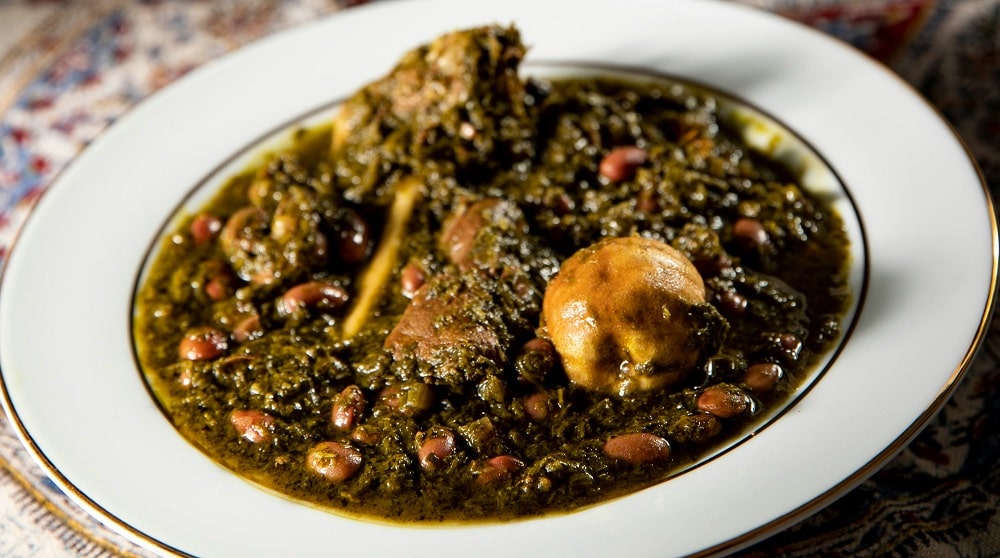
The rich diversity of Persian cuisine - from kebabs to stews and rice dishes
Must-Try Iranian Dishes
These iconic dishes represent the heart of Persian cuisine and should be on every visitor's tasting list.
National Favorites
- Chelow Kabab: Iran's national dish - grilled meat with saffron rice
- Ghormeh Sabzi: Herb stew with kidney beans and meat
- Fesenjan: Pomegranate and walnut stew with poultry
- Gheimeh: Yellow split pea and meat stew with dried lime
- Dizi (Abgoosht): Meat and bean stew, eaten in two stages
Rice Dishes (Polo)
- Sabzi Polo: Herb rice, traditionally for Nowruz
- Baghali Polo: Rice with dill and fava beans
- Adas Polo: Lentil rice with dates and raisins
- Morassa Polo: Jeweled rice with nuts and fruits
- Tahchin: Baked rice cake with yogurt and saffron
Kebab Varieties
- Barg: Fillet of lamb or beef
- Koobideh: Minced meat kebab
- Joojeh: Chicken kebab, often with saffron
- Chenjeh: Chunks of lamb or beef
- Bakhtiari: Combination of Barg and Joojeh
Starter & Side Dishes
- Mast-o-Khiar: Yogurt with cucumber and herbs
- Mirza Ghasemi: Smoked eggplant with tomato and egg
- Kashk-e Bademjan: Eggplant with whey and mint
- Salad Shirazi: Cucumber, tomato, and onion salad
- Torshi: Various pickled vegetables
Foodie Tip: Always ask for "tahdig" - the crispy rice from the bottom of the pot. It's considered the best part of the rice and Iranians fight over it!
Regional Specialties
Iran's diverse geography and cultures have created distinct regional cuisines worth exploring.
Northern Iran (Caspian Region)
- Mirza Ghasemi: Smoked eggplant specialty
- Baghala Ghatogh: Fava beans with dill and eggs
- Kebab Torsh: Marinated meat in pomegranate juice
- Various Fish Dishes: From Caspian Sea
Northwestern Iran (Azerbaijan)
- Kufteh Tabrizi: Giant meatballs with fillings
- Dolma: Stuffed vegetables and leaves
- Abgoosht-e Tabrizi: Hearty meat and bean stew
- Various Breads: Distinct local bread varieties
Southern Iran (Persian Gulf)
- Ghalyeh Mahi: Spicy fish stew with herbs
- Ghalyeh Meygu: Shrimp in spicy herb sauce
- Mahyawa: Fermented fish sauce
- Various Date Dishes: Using local dates
Central Iran (Isfahan, Yazd)
- Beryani: Isfahan's famous minced meat dish
- Gheimeh Rizeh: Yazdi-style yellow split pea stew
- Various Sweets: Yazd's famous confections
- Khoresht-e Mast: Yazd's unique yogurt stew
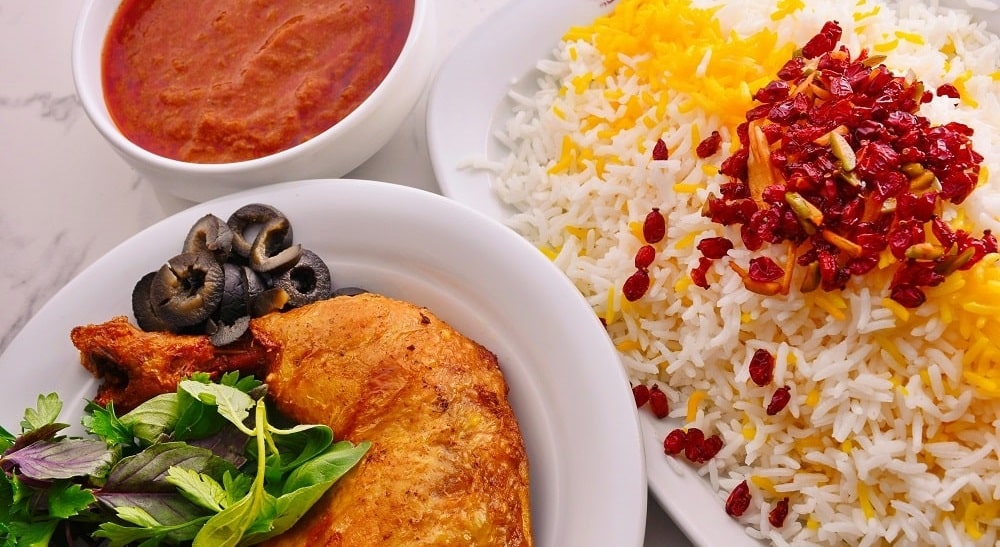
Regional specialties showcase Iran's diverse culinary landscape
Street Food Guide
Iranian street food offers delicious, affordable eating options that provide authentic local experiences.
Popular Street Foods
- Falafel: Chickpea patties in bread with salad
- Ash Reshteh: Thick noodle soup with beans and herbs
- Dizi: Traditional stew sold in specialized shops
- Kabab: Various kebabs available from street vendors
- Pizza Irani: Iranian-style pizza with local toppings
Snacks & Light Bites
- Naan-o Panir-o Sabzi: Bread with cheese and herbs
- Laboo: Boiled beets, popular in winter
- Gondi: Chickpea flour dumplings in broth
- Various Sandwiches: From simple stalls
- Roasted Corn/Nuts: Seasonal street snacks
Sweet Street Treats
- Bamieh: Sweet fried dough similar to donuts
- Zoolbia & Bamieh: Saffron-syrup soaked pastries
- Faloodeh: Shiraz's famous rosewater noodle dessert
- Various Ice Creams: Including traditional bastani
Street Food Safety Tips
- Choose busy stalls with high turnover
- Watch food preparation for hygiene standards
- Start with cooked items rather than raw
- Carry hand sanitizer for before eating
- Drink bottled water with street food
Breakfast & Snacks
Iranian breakfast (sobhaneh) is a delightful meal featuring an array of fresh ingredients and traditional items.
Traditional Breakfast Items
- Naan (Bread): Various types - barbari, sangak, lavash
- Panir (Cheese): Usually feta-type white cheese
- Sabzi (Fresh Herbs): Mint, basil, radishes, scallions
- Marmalade & Jam: Various homemade varieties
- Butter & Cream: Often served with honey or jam
Popular Breakfast Dishes
- Halim: Wheat and meat porridge
- Adasi: Lentil soup
- Kaleh Pacheh: Sheep's head and feet (adventurous!)
- Omelettes: Various Iranian-style egg dishes
Snacks Throughout the Day
- Nokhodchi: Chickpea flour cookies
- Kolucheh: Filled cookies from various regions
- Various Nuts: Pistachios, almonds, walnuts
- Dried Fruits: Apricots, figs, raisins
- Fresh Fruits: Seasonal fruits as snacks
Tea Time Culture
- Tea (chai) is consumed throughout the day
- Typically served with sugar cubes (ghand)
- Often accompanied by sweets or dates
- Tea houses (ghahve khane) are social hubs
- Traditional tea preparation involves samovars
Vegetarian Food Guide
Iran offers excellent vegetarian options, with many traditional dishes naturally meat-free or easily adaptable.
Naturally Vegetarian Dishes
- Kashk-e Bademjan: Eggplant with whey and mint
- Mirza Ghasemi: Smoked eggplant with tomato
- Borani: Yogurt with various vegetables
- Various Ash (Soups): Thick vegetarian soups
- Salad Shirazi: Fresh cucumber and tomato salad
Adaptable Dishes
- Most Stews: Can be made without meat
- Rice Dishes: Many are naturally vegetarian
- Kookoo: Persian frittatas with vegetables
- Dolma: Stuffed vegetables can be meat-free
Vegetarian Restaurant Options
- Most restaurants can accommodate vegetarians
- Use phrase: "man giah-khar hastam" (I am vegetarian)
- Specify: "bedoon-e goosht" (without meat)
- Many traditional restaurants have vegetarian stews
- International restaurants in cities offer more options
Vegan Considerations
- More challenging but possible with planning
- Dairy and yogurt are common in many dishes
- Specify no dairy: "bedoon-e labaniyat"
- Street food like falafel is often vegan
- Fresh fruits and vegetables widely available
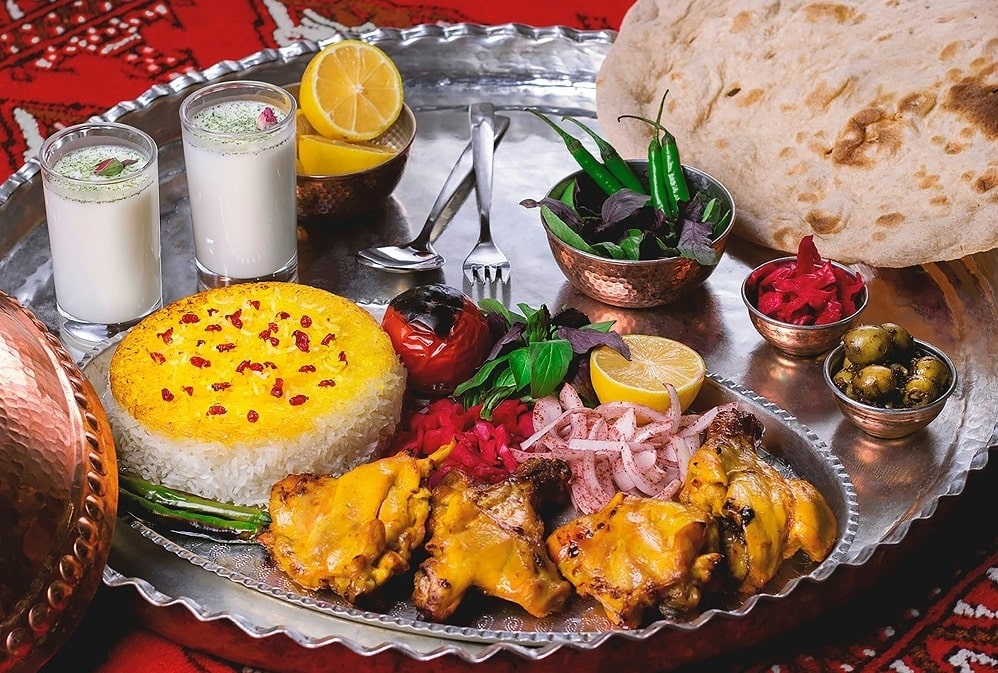
Regional specialties showcase Iran's diverse culinary landscape
Restaurant Types Guide
Understanding Iran's diverse restaurant landscape will help you find the perfect dining experience for any occasion.
Traditional Restaurants
- Sophreh Khane: Traditional sitting on floors
- Kababi: Specializing in various kebabs
- Dizi Sara: Specializing in dizi (abgoosht)
- Ash Paz: Serving various ash (thick soups)
Modern & International
- Contemporary Iranian: Modern takes on classics
- International Cuisine: Italian, Chinese, etc.
- Fast Food: Iranian interpretations of Western fast food
- Café-Restaurants: Popular with younger crowds
Budget & Local Options
- Street Food Stalls: Affordable and authentic
- Local Eateries: Where Iranians eat daily
- Bazaar Food Stalls: In traditional markets
- University Cafeterias: Very cheap, basic food
Fine Dining
- Traditional Luxury: In restored historic buildings
- Modern Upscale: Contemporary design and cuisine
- Hotel Restaurants: Often international standards
- Specialty Restaurants: Focusing on specific cuisines
Desserts & Sweets
Iranian sweets and desserts are legendary, featuring rosewater, saffron, pistachios, and other local ingredients.
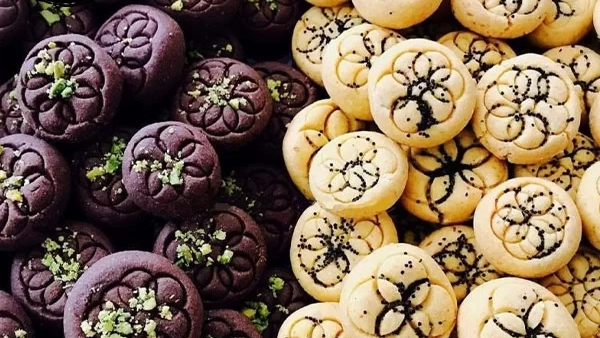
Regional specialties showcase Iran's diverse culinary landscape
Traditional Sweets
- Baklava: Layered pastry with nuts and syrup
- Gaz: Isfahan's famous nougat with pistachios
- Sohan: Qom's saffron toffee with pistachios
- Poolaki: Thin sugar candies with various flavors
- Noghl: Sugar-coated almonds
Pastries & Cookies
- Nan-e Berenji: Rice flour cookies
- Nan-e Nokhodchi: Chickpea flour cookies
- Nan-e Badami: Almond cookies
- Kolucheh: Filled cookies from various regions
Dessert Dishes
- Sholeh Zard: Saffron rice pudding
- Faloodeh: Shirazi rosewater noodle dessert
- Bastani: Traditional Persian ice cream
- Halva: Various types of sweet confections
Regional Sweet Specialties
- Yazd: Famous for various traditional sweets
- Isfahan: Gaz and poolaki
- Qazvin: Various cookies and sweets
- Kerman: Date-based sweets
- Tabriz: Nougat and traditional confections
Drinks & Beverages
Beyond the famous tea, Iran offers a variety of traditional and modern beverages worth trying.
Hot Beverages
- Chai (Tea): National drink, served throughout day
- Qahve (Coffee): Traditional Turkish-style coffee
- Herbal Teas: Various medicinal and herbal infusions
- Modern Coffee: Coffee shops in major cities
Cold Beverages
- Ab Havij: Carrot juice, often with ice cream
- Ab Anar: Fresh pomegranate juice
- Ab Limoo: Fresh lime juice
- Dough: Savory yogurt drink
- Various Fruit Juices: Seasonal fresh juices
Traditional Drinks
- Sharbat: Various fruit syrup drinks
- Kashk: Whey drink, an acquired taste
- Aragh: Distilled grape juice (non-alcoholic)
Modern & International
- Soft Drinks: International and local brands
- Energy Drinks: Available in cities
- Bottled Water: Widely available, recommended
- Smoothies: In modern cafes and juice bars
Dining Etiquette
Understanding Iranian dining customs will enhance your meals and show respect for local culture.
General Dining Rules
- Use right hand for eating and passing food
- Wait for host to invite you to start eating
- Compliment the food but avoid excessive praise
- Leave a little food on your plate to indicate satisfaction
- Burping or loud eating is considered rude
Restaurant Etiquette
- Taarof often involves mild argument over paying
- Tipping 10% is customary for good service
- Separate bills are uncommon - usually one check
- Family sections available in some restaurants
- No alcohol served due to Islamic law
Home Dining Customs
- Remove shoes before entering dining area
- Bring a small gift like sweets or flowers
- Accept second helpings to show appreciation
- Offer to help with cleaning up (usually refused)
- Don't overstay - leave after main meal and tea
Special Occasions
- Nowruz: Special foods for Persian New Year
- Ramadan: Iftar meals after sunset fasting
- Weddings: Elaborate multi-course meals
- Religious Events: Special charitable meals
Cooking Classes & Markets
For food enthusiasts, participating in cooking classes and exploring markets adds depth to the culinary experience.
Cooking Classes
- Available in major tourist cities
- Typically include market visit and cooking
- Focus on traditional Persian dishes
- Great cultural exchange opportunity
- Book through hotels or tour operators
Food Markets
- Bazaars: Traditional markets with food sections
- Modern Supermarkets: In major cities
- Specialty Shops: For specific ingredients
- Seasonal Markets: For fresh local produce
Ingredients to Look For
- Saffron: World's best quality at reasonable prices
- Pistachios: Various types and qualities
- Dried Fruits: Apricots, figs, raisins
- Spices: Various traditional spice mixes
- Rosewater: High quality for cooking
Food Souvenirs
- Saffron: In small sealed containers
- Pistachios: Various types and preparations
- Traditional Sweets: With good shelf life
- Spice Mixes: For specific dishes
- Tea: Iranian tea varieties
Culinary Journey Summary
Iranian cuisine offers one of the world's most sophisticated and satisfying culinary experiences, reflecting thousands of years of history, diverse regional influences, and a deep cultural appreciation for food as both nourishment and art.
The journey through Persian food is as much about the flavors as it is about the cultural experience - from the ritual of tea drinking to the communal enjoyment of meals, from the bustling energy of street food stalls to the refined elegance of traditional restaurants. Each meal tells a story about Iranian hospitality, regional diversity, and culinary heritage.
By exploring the full spectrum of Iranian cuisine - from humble street foods to elaborate festive dishes - you'll not only enjoy incredible flavors but also gain deeper insights into Iranian culture and daily life. The warmth and generosity that characterize Iranian hospitality are perhaps most beautifully expressed through the sharing of food.
Whether you're sampling your first chelow kabab, discovering the complex flavors of a regional stew, or simply enjoying the daily ritual of tea with new Iranian friends, the culinary dimension will undoubtedly be one of the most memorable aspects of your Iran journey.
Need Food & Restaurant Recommendations?
Contact us for personalized restaurant suggestions, food tour arrangements, or cooking class bookings based on your dietary preferences and travel itinerary.
Get Food Advice