
⚡ Iran History Timeline at a Glance
Key periods in Iran's 7000-year history:
Elamite Civilization
Achaemenid Empire
Sassanian Empire
Safavid Dynasty
Pahlavi Dynasty
Islamic Republic
Iran has one of the world's oldest continuous civilizations, influencing global culture, science, and politics for millennia.
Understanding Iran's History: The Complete 7000-Year Journey
Iran, historically known as Persia, boasts one of the world's oldest and most influential civilizations. This comprehensive guide explores Iran's 7000-year history, from the ancient Elamite kingdom to the modern Islamic Republic. Understanding this rich historical tapestry is essential for appreciating Iran's cultural depth, architectural marvels, and geopolitical significance.
Iran's history is marked by mighty empires that shaped world civilization, golden ages of science and art, religious transformations, and political revolutions that continue to impact global affairs. Whether you're planning to visit Tehran's museums, explore Persepolis near Shiraz, or admire Isfahan's Islamic architecture, this historical knowledge will profoundly enrich your travel experience.
⚠️ Historical Context Matters
Modern Iran cannot be understood without its historical context. The 1979 Islamic Revolution, current political structures, cultural practices, and even architectural styles all have deep roots in Iran's 7000-year history. From Zoroastrian fire temples to Islamic mosques, each layer tells a story of continuity and transformation.
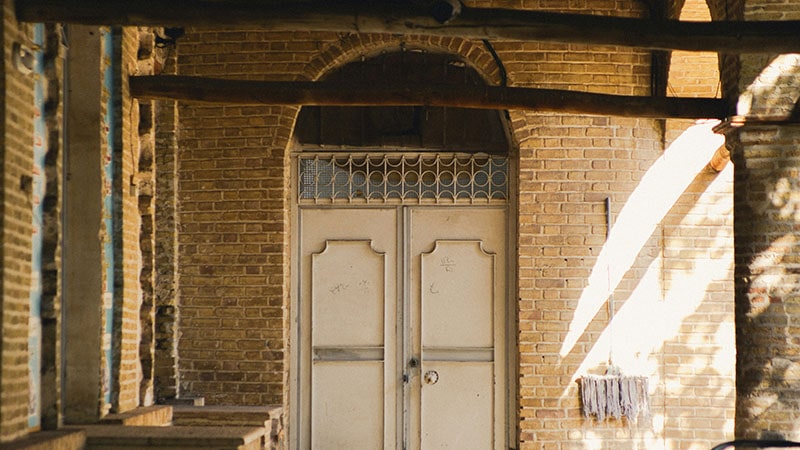
Persepolis, ceremonial capital of the Achaemenid Empire, founded by Darius I in 518 BCE
🏛️ Ancient Civilizations (Pre-550 BCE)
Iran's history begins with some of the world's earliest civilizations, laying foundations for later Persian achievements.
Elamite Civilization (3200-539 BCE)
The Elamites established one of Iran's first recorded civilizations in southwestern Iran, with capitals at Susa and Anshan. They developed:
- Proto-Elamite script (c. 3100 BCE), among world's earliest writing systems
- Advanced metalworking and pottery techniques
- Complex social structures and religious systems
- The ziggurat of Chogha Zanbil, a UNESCO World Heritage site
Medes Empire (678-549 BCE)
The Medes, an Iranian people, established the first Iranian empire with Ecbatana (modern Hamadan) as capital:
- United Iranian tribes against Assyrian domination
- Created administrative systems later adopted by Persians
- Developed early Iranian cultural and political identity
- Fell to Cyrus the Great's Persian rebellion in 549 BCE
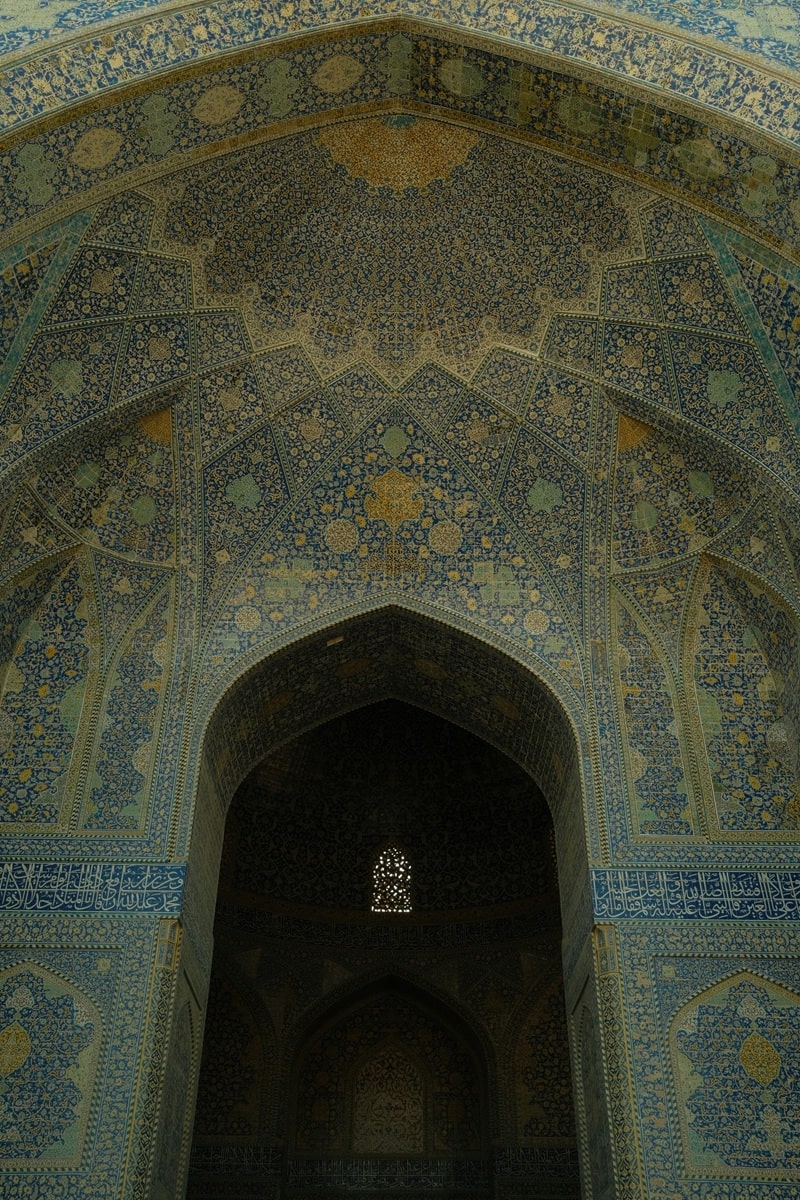
Chogha Zanbil ziggurat, built c. 1250 BCE by Elamite king Untash-Napirisha
Archaeological Sites: To explore ancient history, visit Susa (Shush) for Elamite ruins and Hamadan for Median heritage.
👑 Achaemenid Empire (550-330 BCE)
The Achaemenid Empire, founded by Cyrus the Great, became the world's first superpower and left an enduring legacy.
Cyrus the Great (r. 559-530 BCE)
Cyrus Cylinder: First Human Rights Charter
Discovered in 1879, the Cyrus Cylinder (539 BCE) declares:
- Freedom of religion for all conquered peoples
- Abolition of slavery and forced labor
- Right to return to homelands for displaced peoples
- Respect for local customs and traditions
This document influenced later human rights concepts and is considered the first charter of human rights.
Key Achievements of the Achaemenid Empire
Political Innovations
- Satrapy system (provincial administration)
- Royal Road (2700 km communication network)
- Standardized currency (Daric gold coins)
- Multilingual administration
- Relative autonomy for subject peoples
Cultural & Religious
- Zoroastrianism as influential religion
- Persepolis ceremonial capital
- Artistic synthesis of Mesopotamian, Egyptian, Greek styles
- Development of Old Persian cuneiform
- Gardens (Paradise gardens concept)
Later Achaemenid Rulers
- Darius I (r. 522-486 BCE): Expanded empire to Indus Valley, built Persepolis, organized administration, created imperial bureaucracy
- Xerxes I (r. 486-465 BCE): Fought Greeks at Thermopylae and Salamis, completed Persepolis
- Artaxerxes I-III: Maintained empire despite rebellions and Greek conflicts
- Fall to Alexander: Empire conquered by Alexander the Great (334-330 BCE)
Historical Sites: Visit Persepolis, Naqsh-e Rustam (royal tombs), and Pasargadae (Cyrus's tomb).
🏛️ Hellenistic & Parthian Periods (330 BCE-224 CE)
Following Alexander's conquest, Iran experienced Greek influence before native Persian rule resumed.
Seleucid Empire (312-63 BCE)
After Alexander's death, his general Seleucus I established a Hellenistic empire:
- Greek became administrative language alongside Aramaic
- New cities founded (Seleucia, Laodicea)
- Greek cultural influence on art and architecture
- Gradual Iranian resistance to foreign rule
Parthian Empire (247 BCE-224 CE)
The Parthians, of Iranian origin, overthrew Seleucid rule and established a powerful empire:
- Military Innovations: Cataphract heavy cavalry, horse archery tactics
- Trade: Controlled Silk Road, connecting Rome and China
- Government: Feudal system with semi-autonomous kingdoms
- Culture: Revival of Iranian traditions alongside Hellenistic elements
- Wars with Rome: Frequent conflicts including Carrhae (53 BCE) where Romans suffered devastating defeat
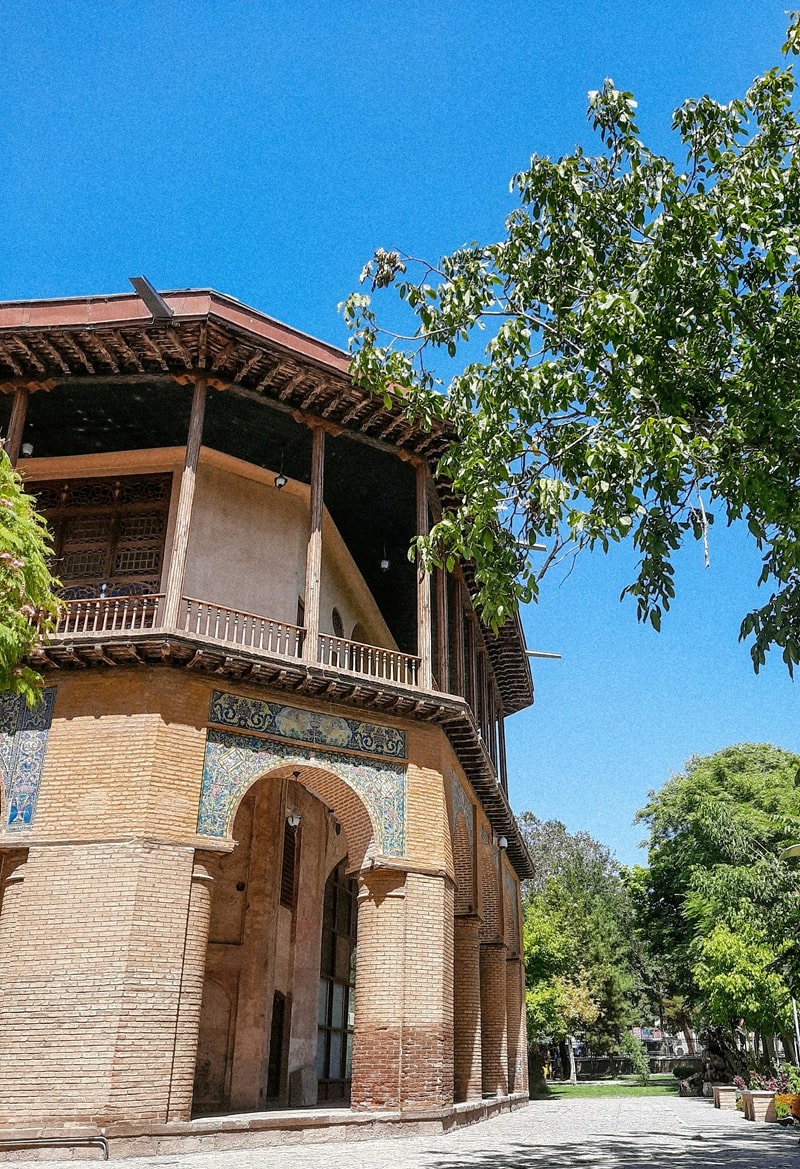
Parthian architectural remains showing blend of Iranian and Hellenistic influences
👑 Sassanian Empire (224-651 CE)
The Sassanian Empire represents the peak of pre-Islamic Iranian civilization, a golden age of Persian culture.
Foundation & Expansion
Founded by Ardashir I after defeating the Parthians, the Sassanian Empire:
- Reestablished strong centralized Persian state
- Made Zoroastrianism the official state religion
- Developed sophisticated bureaucracy and legal system
- Engaged in centuries of warfare with Byzantine Empire
- Created magnificent art, architecture, and literature
Key Sassanian Contributions
Religious Development
- Codification of Zoroastrian texts (Avesta)
- Construction of fire temples across empire
- Religious tolerance for Christians, Jews
- Manichaeism founded by Mani (216-274 CE)
Art & Architecture
- Palaces at Ctesiphon and Bishapur
- Rock reliefs at Naqsh-e Rostam and Taq-e Bostan
- Advanced metalwork and silk textiles
- Influenced Byzantine and Islamic art
Science & Technology
- Medical center at Gundeshapur
- Astronomical observations
- Engineering innovations in architecture
- Preservation of Greek knowledge
Fall to Arab Muslims
The Sassanian Empire collapsed after:
- Exhausting wars with Byzantium (602-628 CE)
- Internal instability and succession conflicts
- Arab Muslim invasions (633-651 CE)
- Final defeat at Battle of Nahavand (642 CE)
- Last Sassanian ruler Yazdegerd III assassinated in 651 CE
Historical Sites: Explore Sassanian ruins at Bishapur, Taq-e Bostan, and Firuzabad.
🕌 Islamic Conquest & Golden Age (651-1258 CE)
The Arab Muslim conquest transformed Iran but also led to an Islamic-Persian cultural synthesis.
Arab Conquest & Islamization (633-750 CE)
⚡ Historical Transformation
The Islamic conquest (633-651 CE) brought profound changes: Arabic replaced Middle Persian as administrative language, Islam gradually replaced Zoroastrianism (though conversions took centuries), and Persian culture absorbed Islamic elements while influencing Arab conquerors. This created the unique Persian-Islamic civilization.
Persian Golden Age under Abbasid Caliphate (750-1258)
Despite Arab political dominance, Persians played crucial roles in Islamic civilization:
- Barmakid family: Persian viziers who administered Abbasid bureaucracy
- Translation movement: Persian scholars translated Greek, Indian, Persian works into Arabic
- Scientific advances: Algebra (al-Khwarizmi), Medicine (al-Razi), Astronomy (al-Biruni)
- Literature: Persian language revived as literary medium by 9th century
- Architecture: Development of Islamic-Persian architectural styles
Persian Dynasties within Islamic World
| Dynasty | Period | Capital | Contributions |
|---|---|---|---|
| Tahirid | 821-873 | Nishapur | First independent Persian dynasty after Islam |
| Saffarid | 861-1003 | Zaranj | Revival of Persian culture |
| Samanid | 819-999 | Bukhara | Persian literary renaissance |
| Buyid | 934-1062 | Shiraz | Shia revival, controlled Baghdad |
| Ghaznavid | 977-1186 | Ghazni | Spread Persian culture to India |
Related Reading: Learn about Islamic architecture in our Iran Architecture Guide and cultural history in Iran Culture Guide.
🏹 Turkic & Mongol Periods (1037-1501)
Turkic and Mongol invasions brought new rulers but Persian culture persisted and often assimilated conquerors.
Seljuk Empire (1037-1194)
Turkic Seljuks adopted Persian culture and administration:
- Established Persian-style bureaucracy with Persian viziers
- Built magnificent madrasas and mosques (Isfahan's Friday Mosque expanded)
- Supported Persian poets (Omar Khayyam wrote Rubaiyat)
- Fought Crusaders and defended Islamic lands
- Nizam al-Mulk, Persian vizier, wrote "Siyasatnama" on governance
Mongol Invasions & Ilkhanate (1219-1335)
Genghis Khan's invasion (1219-1221) was devastating but later Mongol rulers adopted Persian culture:
- Initial destruction: Cities like Nishapur, Merv, Ray destroyed
- Conversion to Islam: Ilkhan Ghazan converted to Islam (1295)
- Cultural patronage: Rashid al-Din Hamadani wrote "Jami' al-tawarikh" (Compendium of Chronicles)
- Architecture: Built domed tombs and mosques combining Mongol-Persian styles
- Administration: Maintained Persian bureaucratic systems
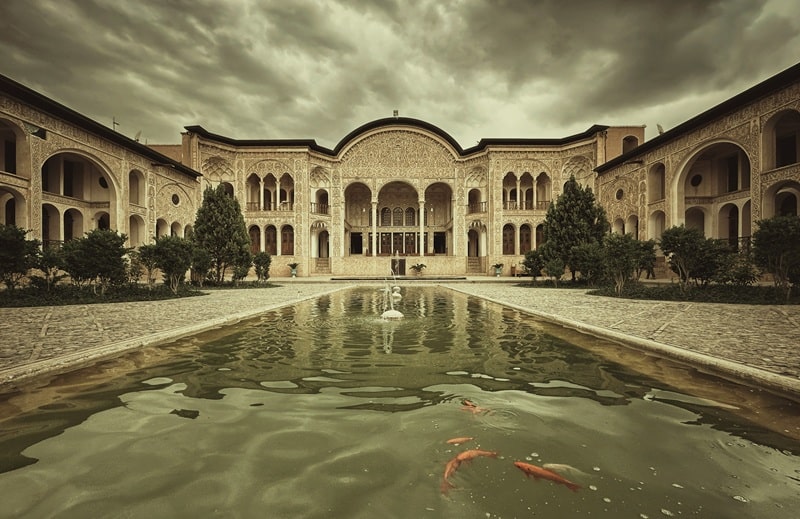
Seljuk-era architecture showing Persian-Islamic synthesis with Turkic influences
Timurid Empire (1370-1507)
Timur (Tamerlane), though destructive, made Samarkand a cultural center:
- His descendants, especially Shah Rukh and Husayn Bayqara, patronized Persian arts
- Herat became center of Persian miniature painting
- Poet Jami and painter Behzad created masterpieces
- Persian literature flourished despite political instability
🕌 Safavid Dynasty (1501-1736)
The Safavids established modern Iran's borders and made Shia Islam the state religion, defining Iran's identity.
Shah Ismail I (r. 1501-1524)
Founded Safavid dynasty with crucial achievements:
- Declared Twelver Shia Islam as official state religion (1501)
- Unified Iranian territories after centuries of fragmentation
- Defeated Uzbek and Ottoman enemies at Battle of Chaldiran (1514)
- Established theocracy with dual religious-political authority
- Made Tabriz first capital, later moved to Qazvin and Isfahan
Shah Abbas the Great (r. 1588-1629)
The Golden Age of Safavid Iran
Shah Abbas transformed Iran into a major world power:
- Military reforms: Created standing army with modern artillery
- Capital moved to Isfahan: Built magnificent capital with Naqsh-e Jahan Square
- Economic development: Promoted trade, invited Armenian merchants to New Julfa
- Architectural legacy: Sheikh Lotfollah Mosque, Ali Qapu Palace, Khaju Bridge
- Cultural flowering: Persian arts, carpets, miniature painting flourished
Safavid Legacy & Decline
- Religious identity: Created Shia Iran surrounded by Sunni states (Ottomans, Uzbeks, Mughals)
- Administrative system: Developed sophisticated bureaucracy
- Economic networks: Controlled Silk Road trade routes
- Cultural achievements: Persian carpets became world-renowned
- Decline: Weakened by later incompetent rulers, Afghan invasion (1722), fall to Nader Shah (1736)
Travel Planning: Explore Safavid heritage in Isfahan, Tabriz, and Qazvin.
👑 Qajar Dynasty (1789-1925)
The Qajar period saw Iran confront Western imperialism, constitutional revolution, and the beginnings of modernization.
Early Qajar Period
Agha Mohammad Khan Qajar unified Iran after chaotic 18th century:
- Made Tehran capital (1786), which remains capital today
- Brutally consolidated power but established stability
- Fath-Ali Shah (r. 1797-1834) fought disastrous wars with Russia
- Lost Caucasian territories (Treaty of Gulistan 1813, Turkmenchay 1828)
Constitutional Revolution (1905-1911)
⚠️ Historical Turning Point
The Constitutional Revolution established Iran's first parliament (Majlis) and constitution (1906), limiting monarch's power. It resulted from: discontent with Qajar corruption, foreign domination, influence of European ideas, merchant (bazaari) opposition to concessions to foreigners, and religious leaders (ulama) seeking to protect Islamic law.
Foreign Influence & Decline
- Great Game: Iran became buffer between Russian and British empires
- Economic concessions: Tobacco Protest (1891) against British monopoly
- Anglo-Russian Agreement (1907): Divided Iran into spheres of influence
- World War I: Despite neutrality, Iran occupied by British, Russian, Ottoman forces
- Final collapse: Ahmad Shah Qajar deposed by Reza Khan in 1925
Historical Context: Understanding Qajar era helps explain modern Iranian nationalism and anti-imperialism. For more on political history, see our Iran Politics Guide.
🏛️ Pahlavi Dynasty (1925-1979)
The Pahlavi period brought rapid modernization, Westernization, and authoritarian rule that ultimately led to revolution.
Reza Shah Pahlavi (r. 1925-1941)
Reza Shah implemented sweeping reforms to modernize Iran:
Modernization Reforms
- Trans-Iranian Railway constructed
- University of Tehran founded (1934)
- Legal reforms replacing Islamic with secular law
- Infrastructure development (roads, ports, factories)
- Military modernization
Cultural Policies
- Unveiling campaign (1936) banning hijab
- Promotion of pre-Islamic Persian identity
- Western dress mandated for men
- Name changed from Persia to Iran (1935)
- Archaeological emphasis on pre-Islamic sites
Mohammad Reza Shah Pahlavi (r. 1941-1979)
The last Shah's reign saw oil wealth, repression, and eventual revolution:
Key Events Timeline
| Year | Event | Significance |
|---|---|---|
| 1941 | Allied occupation, Reza Shah abdicates | Young Mohammad Reza becomes Shah under Allied influence |
| 1951-1953 | Mosaddegh nationalizes oil, CIA coup | Democratically elected PM removed, Shah's power consolidated |
| 1963 | White Revolution begins | Land reform, women's suffrage, literacy corps |
| 1964 | Khomeini exiled | Future revolutionary leader begins opposition from abroad |
| 1971 | 2500th anniversary celebration | Extravagant celebration at Persepolis alienated masses |
| 1970s | Oil boom, repression increases | SAVAK secret police brutal, corruption rampant, inequality grows |
Related Reading: For more on modern Iran, see Iran Revolution Guide and Iran Modern History Guide.
🔥 1979 Islamic Revolution
The 1979 Revolution transformed Iran from monarchy to Islamic Republic, with global repercussions.
Causes of the Revolution
Political Factors
- Authoritarian rule, no political freedom
- SAVAK secret police brutality
- Suppression of all opposition
- One-party state (Rastakhiz Party)
Economic Factors
- Oil wealth mismanagement
- Widespread corruption
- Growing inequality
- Rural-urban divide
Cultural Factors
- Rapid Westernization alienating traditionalists
- Perceived erosion of Islamic values
- Clergy opposition to secular policies
- Nationalist resentment of foreign influence
Key Events of 1978-1979
- January 1978: Article attacks Khomeini, Qom protests, deaths spark cycle
- August 1978: Cinema Rex fire in Abadan (400+ deaths), blamed on SAVAK
- September 1978: Black Friday - troops kill hundreds in Jaleh Square, Tehran
- October 1978: Khomeini moves to Paris, coordinates revolution from abroad
- December 1978: Millions march during Muharram, army begins defecting
- January 16, 1979: Shah leaves Iran "on vacation" (never returns)
- February 1, 1979: Khomeini returns to Tehran, greeted by millions
- February 11, 1979: Revolution triumphs, military declares neutrality
Ayatollah Khomeini returning to Tehran, February 1, 1979, marking revolution's triumph
Establishment of Islamic Republic
- March 1979: Referendum establishes Islamic Republic (98% yes vote)
- November 1979: U.S. Embassy seized, hostage crisis begins (444 days)
- December 1979: New constitution approved, creating Velayat-e Faqih (Guardianship of Islamic Jurist)
- 1980: First presidential election (Abolhassan Banisadr)
- Consolidation: Elimination of leftist and liberal allies, establishment of revolutionary institutions
🏛️ Modern Iran (1979-Present)
Post-revolution Iran has experienced war, sanctions, internal conflicts, and gradual evolution.
Iran-Iraq War (1980-1988)
Saddam Hussein's invasion led to devastating 8-year war:
- Causes: Iraqi desire for Shatt al-Arab waterway, fear of revolutionary export, border disputes
- Key battles: Liberation of Khorramshahr (1982), War of the Cities (missile attacks)
- Human cost: 500,000-1,000,000 Iranian casualties, chemical weapons used against Iranians
- Legacy: Cemented revolutionary regime, created "Sacred Defense" narrative, devastated economy
- End: UN-brokered ceasefire (1988), no territorial changes
Post-War Reconstruction & Reform Era
Political Evolution Timeline
- 1989: Khomeini dies, Khamenei becomes Supreme Leader; Rafsanjani presidency begins reconstruction
- 1997: Reformist Khatami elected, "Dialogue of Civilizations"
- 2005: Conservative Ahmadinejad elected, confrontational foreign policy
- 2009: Green Movement protests election results, violently suppressed
- 2013: Moderate Rouhani elected, negotiates nuclear deal (JCPOA 2015)
- 2018: U.S. withdraws from JCPOA, imposes "maximum pressure" sanctions
- 2022: Mahsa Amini protests, widespread unrest over social restrictions
- 2023: Saudi-Iran rapprochement mediated by China
Contemporary Iran: Challenges & Achievements
Domestic Developments
- Population growth from 35M (1979) to 85M+ (2025)
- High literacy rate (97%), significant university enrollment
- Women's education advances but legal discrimination persists
- Economic challenges from sanctions, unemployment
- Youth demographic (70% under 40) creating social pressures
Foreign Relations
- Regional influence through "Axis of Resistance"
- Nuclear program development and negotiations
- Tensions with U.S., Israel, Saudi Arabia (recently eased)
- Growing ties with Russia, China amid Western sanctions
- Participation in Shanghai Cooperation Organization
Current Affairs: For up-to-date travel information, see our Iran Travel Guide 2025 and Iran Safety Guide.
✅ Historical Legacy & Tourism Guide
Iran's 7000-year history offers unparalleled tourism opportunities. Here's how to explore it:
🎯 Must-Visit Historical Sites by Era
- Ancient: Persepolis, Pasargadae, Susa, Chogha Zanbil
- Achaemenid: Naqsh-e Rustam, Persepolis, Cyrus's Tomb
- Sassanian: Taq-e Bostan, Bishapur, Firuzabad
- Islamic Golden Age: Isfahan's Jameh Mosque, Gonbad-e Qabus
- Seljuk: Isfahan Friday Mosque, Kharraqan Towers
- Safavid: Naqsh-e Jahan Square (Isfahan), Sheikh Lotfollah Mosque
- Qajar: Golestan Palace (Tehran), Nasir al-Mulk Mosque (Shiraz)
- Pahlavi: National Museum (Tehran), White Palace (Saadabad)
- Modern: Freedom Tower (Tehran), Holy Defense Museum
Planning Your Historical Tour
To maximize your historical exploration of Iran:
- Northern Circuit: Tehran museums → Caspian region (Hyrcanian forests) → Tabriz bazaar
- Central Classic: Kashan → Isfahan → Yazd → Shiraz (Persepolis) → Kerman
- Western Historical: Hamadan (Ecbatana) → Kermanshah (Taq-e Bostan) → Susa → Shush
- Duration: Minimum 2 weeks for highlights, 4 weeks for comprehensive tour
- Best seasons: Spring (April-May) and Autumn (September-October)
Related Resources for History Travelers
📋 Practical Travel Guides
🏛️ Site-Specific Guides
📚 Historical Context
Need Historical Tour Planning?
Contact our expert guides for customized historical tours, specialized itineraries focusing on specific eras, and access to expert historians and archaeologists.
💬 Plan Your Historical TourAlso check our Iran FAQ for travel questions
Final Thought: Iran's history is not just a series of dates and events, but a living tapestry visible in its architecture, felt in its culture, and alive in its people. From the Cyrus Cylinder's ancient call for human rights to contemporary struggles for democracy, Iran's historical journey offers profound insights into human civilization itself. Whether you're a history enthusiast, academic researcher, or curious traveler, exploring Iran's past will transform your understanding of this remarkable civilization.