
Iran Travel FAQ: Your Questions Answered
Traveling to Iran raises many questions for first-time visitors. This comprehensive FAQ addresses the most common concerns, misconceptions, and practical questions we receive from travelers planning their Iranian adventure. Whether you're worried about safety, confused about the dress code, or wondering about daily practicalities, you'll find honest, up-to-date answers here.
We've organized this FAQ by category to help you quickly find the information you need. Each answer is based on our extensive experience hosting international travelers and current 2025 conditions. From visa procedures to cultural etiquette, money matters to transportation tips, we've covered the questions that matter most to travelers considering Iran.
Remember that while this FAQ provides comprehensive information, Iran is a country that often surprises visitors in wonderful ways. The reality on the ground is frequently more positive and welcoming than media portrayals might suggest. Use this information to prepare, but keep an open mind for the incredible experiences that await.
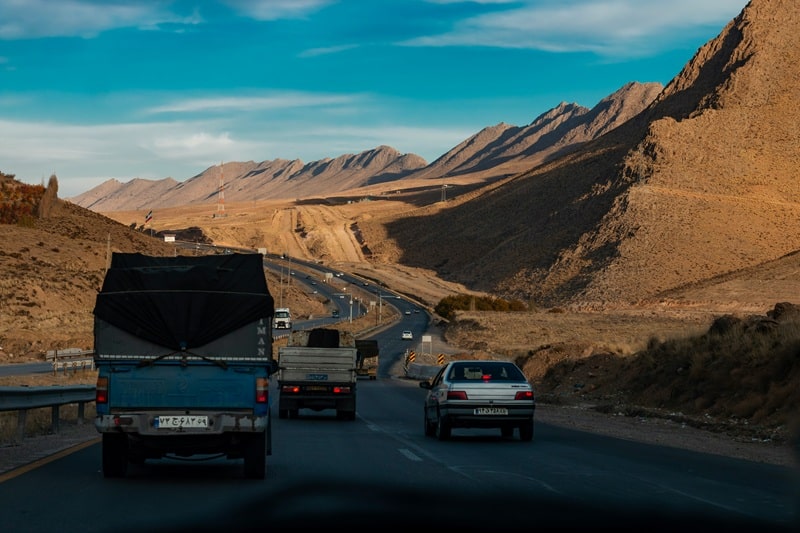
Get all your Iran travel questions answered before your trip
Visa & Entry Questions
Do I need a visa for Iran?
Most nationalities require a visa to enter Iran. Citizens of Turkey, Lebanon, Georgia, Armenia, Azerbaijan, Syria, Bolivia, Venezuela, and Egypt can visit visa-free for varying periods (typically 1-3 months). All other nationalities need to obtain a visa before travel or get visa on arrival if eligible.
How do I get an Iran visa?
The process typically involves obtaining an authorization code from the Iranian Ministry of Foreign Affairs (through a tour agency, hotel, or Iranian contact), then taking this code to an Iranian embassy to receive the actual visa sticker in your passport. Some nationalities can get visa on arrival at major airports.
Can I get visa on arrival in Iran?
Yes, citizens of most countries can obtain visa on arrival at major international airports (Tehran, Shiraz, Isfahan, Mashhad, Tabriz). Exceptions include US, UK, and Canadian passport holders who must obtain visa authorization in advance. Have passport photos, proof of accommodation, and cash for the fee ready.
How long does the Iran visa process take?
The authorization process typically takes 2-4 weeks, then embassy processing takes 3-7 working days. During peak season (spring and autumn), processing can take longer. Start the process at least 6-8 weeks before your planned travel date.
How much does an Iran visa cost?
Visa fees vary by nationality from €50-€150. There may be additional processing fees if using an agency to obtain authorization. Visa on arrival typically costs €75-€100 depending on nationality. US citizens pay higher fees (around $160).
How long is an Iran tourist visa valid for?
Tourist visas are typically issued for 30 days and can usually be extended for another 30 days while in Iran. Some nationalities may receive longer validity. The actual duration granted is at the discretion of the Iranian authorities.
Do I need to have my entire itinerary booked before applying for visa?
For most nationalities, you need at least your first few nights of accommodation booked. For US, UK, and Canadian citizens, you need a detailed day-by-day itinerary with all accommodation booked for the entire stay.
Visa Tip: Check your passport for any Israeli stamps before applying. Having evidence of travel to Israel may result in visa denial or entry refusal.
Safety & Security Questions
Is Iran safe for tourists?
Yes, Iran is generally very safe for tourists. Violent crime against foreigners is extremely rare. Petty crime like pickpocketing can occur in crowded areas, similar to any tourist destination. Many travelers report feeling safer in Iran than in many Western countries.
Is Iran safe for solo female travelers?
Yes, Iran is surprisingly safe for solo female travelers. While you must follow the dress code, harassment is less common than in many Western countries. Iranian culture strongly protects women, and many solo female travelers report feeling looked after and respected.
Are there areas of Iran I should avoid?
Most tourist areas are perfectly safe. It's recommended to avoid areas within 100km of the borders with Afghanistan and Pakistan due to drug smuggling activity. Some western border areas with Iraq may have security concerns. The main tourist route (Tehran-Isfahan-Yazd-Shiraz) is very safe.
How are Western tourists treated in Iran?
Western tourists are generally welcomed warmly throughout Iran. The political tensions between governments don't translate to hostility toward individual travelers. Iranians make a clear distinction between government policies and individual people, and are famously hospitable to all guests.
Can I take photos freely in Iran?
Generally yes, but avoid photographing military installations, government buildings, and sensitive infrastructure. Always ask permission before photographing people, especially women. Some religious sites may restrict photography, especially during prayers.
What should I do in an emergency?
Police: 110, Ambulance: 115, Fire: 125. Tourist police in major cities have English speakers. Contact your embassy if serious issues arise. Keep embassy contact information with you. Most hotels can assist with contacting appropriate authorities.
Money & Cost Questions
What's the daily budget for Iran?
Budget travelers can manage on $25-40 per day, mid-range travelers spend $50-80, and luxury travelers budget $100-200+ per day. Iran offers excellent value, especially for mid-range travel where your money goes much further than in most destinations.
Can I use credit cards in Iran?
No, international credit and debit cards do not work in Iran due to sanctions. You must bring all the money you'll need for your entire trip in cash. Euros and US Dollars are easiest to exchange.
What currency should I bring?
Bring Euros or US Dollars in cash. These are easiest to exchange throughout Iran. Bring new, crisp bills as worn or damaged bills may be rejected or get lower exchange rates. Larger denominations typically get better rates.
Where should I exchange money?
Use private exchange offices (called "sarrafi") for the best rates, not banks. Exchange offices are found in major cities and tourist areas. Hotels typically offer less favorable rates. Avoid exchanging large amounts at airports.
What's the difference between Rial and Toman?
Rial is the official currency, but Iranians use Toman in daily conversation. 1 Toman = 10 Rials. When someone says "5,000 Toman" they mean 50,000 Rials. Prices are often written in Rials but quoted verbally in Tomans. Always clarify which is being used.
Is bargaining acceptable in Iran?
Yes, bargaining is expected in bazaars, with taxi drivers (except metered or Snapp taxis), and for handicrafts. Be polite and friendly when bargaining. In fixed-price shops, supermarkets, and restaurants, prices are not negotiable.
Should I tip in Iran?
Tipping is appreciated but not mandatory. In restaurants, 10% is customary if service charge isn't included. For guides, drivers, and hotel staff, tipping is discretionary based on service quality. Small tips are always appreciated.
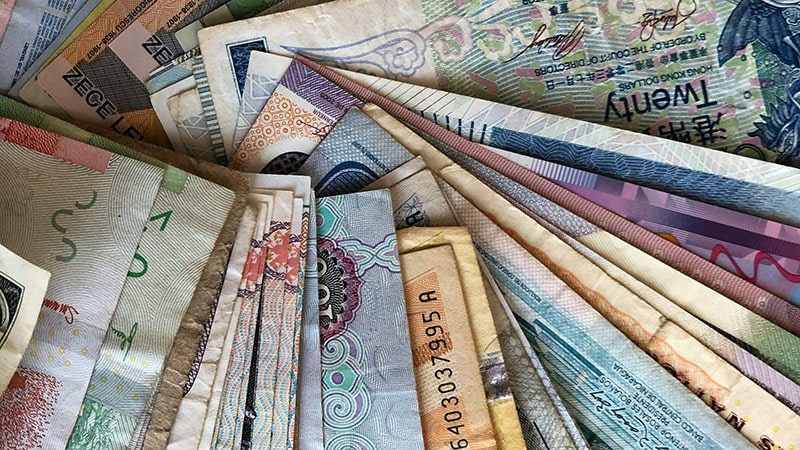
Understanding Iran's currency system is essential for travelers
Dress Code & Cultural Questions
What is the dress code for women?
Women must wear a headscarf covering all hair and loose clothing that covers arms and legs. A manteau (long coat or tunic) and scarf are standard. Clothing should not show body shape. The dress code applies in all public spaces from age 9.
What is the dress code for men?
Men should avoid shorts (except for sports) and sleeveless shirts. Trousers and shirts with sleeves are appropriate. In religious sites, long trousers and covered arms are required. Swimwear is only appropriate at designated beaches or pools.
Can I wear jeans in Iran?
Yes, jeans are perfectly acceptable for both men and women. Women should wear longer tops with jeans to cover hips. Avoid tight or ripped jeans. Dark jeans are most versatile.
Are there places where the dress code doesn't apply?
Yes, in private spaces like hotel rooms, private homes, and women-only areas, the dress code doesn't apply. Some international hotels may have mixed swimming pools where Western swimwear is acceptable.
Can unmarried couples travel together?
Yes, foreign unmarried couples can travel together, but may face questions at hotel check-ins. Some hotels require proof of marriage. In conservative areas, you may be asked to book separate rooms.
Is public display of affection allowed?
No, public displays of affection between unrelated men and women are not acceptable. Holding hands is generally fine for married couples, but kissing and hugging in public should be avoided.
What topics should I avoid in conversation?
Avoid politics, religion, Israel, and criticism of Iranian government or leadership. Safe topics include family, Persian culture, poetry, food, sports, and travel experiences.
Can I visit mosques as a non-Muslim?
Yes, most mosques welcome non-Muslim visitors outside prayer times. Dress modestly, remove shoes, and be respectful. Some areas may be restricted. During Friday prayers, non-Muslims are usually not permitted.
Transportation Questions
What's the best way to travel between cities?
Trains are most comfortable for longer distances, VIP buses offer great value, and domestic flights save time. For the classic route, trains between major cities and buses for shorter distances work well.
How do I book train tickets?
Foreigners can book at train stations with passport, through travel agencies, or some hotels. The online system (Raja.ir) requires an Iranian phone number. Book 1-2 weeks in advance for popular routes.
Are taxis expensive in Iran?
Taxis are very affordable. Use Snapp (Iran's ride-hailing app) for fixed prices. Regular taxis require negotiation. Shared taxis (savari) are cheapest for fixed routes. A typical city trip costs $3-6.
Can I drive in Iran with my foreign license?
International driving permits are technically required but not always accepted. Self-driving is complicated for tourists due to aggressive local driving styles and poor English signage. Hiring a car with driver is recommended.
Is there Uber in Iran?
No, but Iran has its own ride-hailing app called Snapp that works similarly. Download it before arrival (needs Iranian SIM card). Snapp offers fixed prices and eliminates negotiation.
How good is public transportation in cities?
Tehran has an excellent metro system. Other major cities have metros or good bus systems. Public transportation is very affordable, safe, and efficient for getting around cities.
Are there women-only sections on public transport?
Yes, the first and last cars on Tehran metro are women-only. Some buses have women-only sections. These are optional but many women find them more comfortable.
Accommodation Questions
Can I find Western-style hotels in Iran?
Yes, major cities have international standard hotels, though international chains are absent due to sanctions. There are excellent Iranian-owned 4-5 star hotels, plus many boutique hotels in traditional houses.
Are hostels available in Iran?
Yes, hostels are available in major tourist cities, offering dorm beds for $8-15. They're great for budget travelers and meeting other travelers. Many offer private rooms too.
Can I use booking websites like Booking.com?
Most international booking sites don't list Iranian hotels due to sanctions. Use Iranian sites like eghamat24.com, or book through travel agencies. Many hotels have their own websites.
Is Airbnb available in Iran?
No, Airbnb doesn't operate in Iran due to sanctions. However, similar local platforms exist, and many traditional houses offer tourist accommodation through travel agencies or their own websites.
What are traditional house stays?
Many historic homes in cities like Yazd, Kashan, and Isfahan have been converted into beautiful guesthouses. These offer authentic Persian architecture and atmosphere, often with courtyard gardens.
Do hotels have alcohol or pork products?
No, alcohol and pork are prohibited in Iran. Hotels serve non-alcoholic beers and other alternatives. The food is halal, with no pork products available.
Food & Dining Questions
Is Iranian food spicy?
Generally no, Persian cuisine uses herbs and subtle spices rather than heat. The flavors are complex but not typically spicy-hot. Some regional dishes from the Persian Gulf area can be spicier.
What are must-try Iranian dishes?
Chelow kabab (national dish), ghormeh sabzi (herb stew), fesenjan (pomegranate walnut stew), dizi (meat and bean stew), and various rice dishes. Don't miss tahdig (crispy rice from the bottom of the pot).
Is street food safe to eat?
Generally yes, especially at busy stalls with high turnover. Look for places popular with locals. Start with cooked items rather than raw. Common street foods include falafel, ash reshteh (noodle soup), and various kebabs.
Are there vegetarian options?
Yes, many Iranian dishes are naturally vegetarian or can be adapted. Popular vegetarian options include kashk-e bademjan (eggplant dip), mirza ghasemi (smoked eggplant), various rice dishes, and ash (thick soups).
Can I drink tap water?
Tap water is generally safe in cities, but bottled water is recommended, especially for visitors. Many Iranians drink tap water, but bottled water is inexpensive and widely available.
Is alcohol available anywhere?
No, alcohol is completely prohibited in Iran. Non-alcoholic beers and other alternatives are available. The drinking age is effectively any age for non-alcoholic beverages.
What about dietary restrictions?
Most restaurants can accommodate vegetarian requests. For other restrictions, learn key phrases in Farsi. "Man giah-khar hastam" means "I am vegetarian." "Bedoon-e goosht" means "without meat."
Communication & Internet Questions
Do I need a VPN in Iran?
Yes, most social media and many international websites are blocked. Install a reliable VPN on all your devices before arrival. Test it works before traveling.
How can I get a local SIM card?
You can purchase SIM cards at airports or mobile shops in cities with your passport. Irancell and Hamrahe Aval are the main providers. Data packages are affordable.
Is WiFi widely available?
Yes, most hotels, cafes, and restaurants offer WiFi, though speeds can vary. Using your own data with a local SIM is often more reliable.
Do many people speak English?
In tourist areas, many people in the tourism industry speak basic English. In smaller towns and rural areas, English is less common. Learning a few basic Farsi phrases is very helpful.
What are essential Farsi phrases to know?
Salaam (hello), mamnun (thank you), lotfan (please), bebakhshid (excuse me/sorry), cheghadr? (how much?), na (no), baleh (yes). Learning numbers is also very useful.
Can I use WhatsApp, Instagram, etc.?
These are blocked but accessible with VPN. Many Iranians use these platforms with VPNs. Telegram is particularly popular in Iran.
Sightseeing & Activities Questions
What are the must-see places in Iran?
Persepolis, Naqsh-e Jahan Square in Isfahan, Yazd old town, Shiraz gardens and mosques, Tehran museums and palaces, Kashan traditional houses, and the desert landscapes around Yazd and Kerman.
Do I need guides for historical sites?
For major sites like Persepolis, guides are highly recommended to understand the historical context. For city exploration, you can explore independently, but guides can provide valuable insights.
Are there entrance fees for attractions?
Yes, most historical sites and museums have entrance fees, typically $2-8. Some mosques request small donations. Many public spaces, parks, and bazaars are free to explore.
What are the opening hours for attractions?
Typically 9 AM to 5 PM, with many sites closed one day per week (often Monday). Religious sites close during prayer times. Hours may change during Ramadan and holidays.
Can I visit during Ramadan?
Yes, but be aware that eating, drinking, and smoking in public during daylight hours is prohibited. Many restaurants close during the day. It's a fascinating cultural experience but requires adjustment.
Are there any restricted areas for tourists?
Some military and government areas are off-limits. Border regions may have restrictions. Most tourist areas are completely accessible. When in doubt, ask locally or check with your tour operator.
Special Travel Situations
Can I travel to Iran with children?
Yes, Iran is very family-friendly. Iranians love children and are very welcoming to families. Include parks, gardens, and interactive sites in your itinerary. Pace your travels appropriately for children.
Is Iran accessible for disabled travelers?
Accessibility is improving but still limited, especially at historical sites with uneven surfaces and steps. Modern hotels and facilities have better accessibility. Research specific sites in advance.
What if I have medication requirements?
Bring all necessary medications in original containers with prescriptions. Some medications legal elsewhere may be controlled in Iran. Check regulations for any specific medications you require.
Can LGBTQ+ travelers visit Iran?
Same-sex relationships are illegal in Iran. LGBTQ+ travelers should be discreet and avoid public displays of affection or discussion of orientation. Sharing rooms may raise questions at hotel check-ins.
What if I have Israeli stamps in my passport?
This can result in visa denial or entry refusal. If you have Israeli stamps, you may need to get a new passport before applying for an Iran visa. Some travelers have successfully entered with Israeli stamps, but it's risky.
Can I extend my visa while in Iran?
Yes, tourist visas can typically be extended for another 30 days at police offices in major cities. Start the extension process several days before your current visa expires to avoid overstay fines.
Trip Planning Questions
When is the best time to visit Iran?
Spring (March-May) and autumn (September-November) offer ideal weather. Summer can be very hot, especially in central cities. Winter is good for southern Iran and desert areas.
How many days do I need for Iran?
Minimum 10 days for highlights, 2 weeks for the classic route comfortably, 3 weeks to include additional regions, 4+ weeks for comprehensive exploration.
Should I book a tour or travel independently?
Both are good options. Independent travel is very feasible with some preparation. Tours simplify logistics, especially for first-time visitors or those with limited time.
What should I pack for Iran?
Modest clothing, comfortable walking shoes, headscarves for women, medications, power adapter, VPN, copies of documents, cash in Euros/USD, and an open mind!
Do I need travel insurance for Iran?
Yes, and ensure it specifically covers Iran as some policies exclude it. Medical evacuation coverage is particularly important given the healthcare situation.
What vaccinations do I need?
Routine vaccinations plus Hepatitis A and Typhoid are recommended. Consult a travel clinic for the most current advice based on your specific travel plans.
Can I travel to other countries from Iran?
Yes, Iran shares borders with Turkey, Armenia, Azerbaijan, Turkmenistan, Afghanistan, Pakistan, and Iraq. Land border crossings are possible with some neighbors, but check current regulations.
Final Advice & Conclusion
We hope this comprehensive FAQ has addressed your questions and concerns about traveling to Iran. The country offers one of the world's most rewarding travel experiences, combining incredible history, warm hospitality, beautiful landscapes, and rich culture.
Remember that while preparation is important, some of the best experiences in Iran come from spontaneous interactions and unexpected discoveries. Iranians are famously hospitable, and you'll likely find that the reality of traveling in Iran is far more positive and welcoming than media portrayals might suggest.
Use this information to prepare practically, but keep an open mind and heart for the incredible journey ahead. Iran has a way of surprising visitors in the most wonderful ways, leaving lasting impressions and often calling travelers back for return visits.
Your Iranian adventure awaits - one that will likely become one of your most memorable travel experiences!
Still Have Questions?
We're here to help! Contact us with any additional questions about traveling to Iran. Our team has extensive experience helping travelers plan their perfect Iranian journey.
Ask Your Question