
IRAN CURRENCY GUIDE 2025
Understanding Iranian Currency: Rial vs Toman, Banknotes, Exchange Rates, and Practical Money Tips for 2025
Complete guide to handling money in Iran like a local - Avoid common mistakes and navigate Iran's dual currency system with confidence
Quick Navigation
1. Rial (IRR) vs Toman – What's the Difference? Understanding Iran's Dual Currency System
Iran operates on a unique dual currency system that often confuses first-time visitors. The official currency is the Rial (IRR), which appears on all banknotes, bank statements, and official documents. However, in everyday conversation, pricing, and local markets, Iranians exclusively use the term Toman.
- 1 Toman = 10 Rials (This is the fundamental conversion you must remember)
- 10,000 Rials = 1,000 Toman
- 100,000 Rials = 10,000 Toman
- 1,000,000 Rials = 100,000 Toman
When a vendor quotes a price of "50,000" in Iran, they almost always mean 50,000 Toman, which equals 500,000 Rials. This shortcut system is so deeply embedded that most Iranians instinctively think in tomans, despite rials being the official currency.
Historical Context: Why Iran Has Two Currency Systems
The dual system originated from historical and economic factors:
- Historical Continuity: Toman has been used since the Qajar dynasty (18th-20th centuries) and represents Iran's pre-decimal currency system.
- Inflation Adaptation: As inflation eroded the rial's value over decades, removing one zero (converting to toman) made everyday transactions manageable.
- Cognitive Ease: Dealing with "50,000 Toman" is psychologically easier than "500,000 Rials" for daily purchases.
- Cultural Tradition: The term "toman" feels more authentically Persian than the imported French term "rial."
Critical Traveler Tip: Always clarify "Rial or Toman?" when hearing prices. Misunderstanding this difference can lead to paying 10 times more than intended! For comprehensive travel preparation, see our Iran FAQ Guide 2025 and Complete Iran Travel Guide 2025.
2. Iranian Banknotes and Coins: Complete Visual Guide 2025
Current Banknotes in Circulation (Updated March 2025):
Iranian banknotes feature prominent historical figures and cultural symbols. Here's what you'll encounter:
- 10,000 IRR (1,000 Toman) – Avicenna (Ibn Sina) - Still in limited circulation
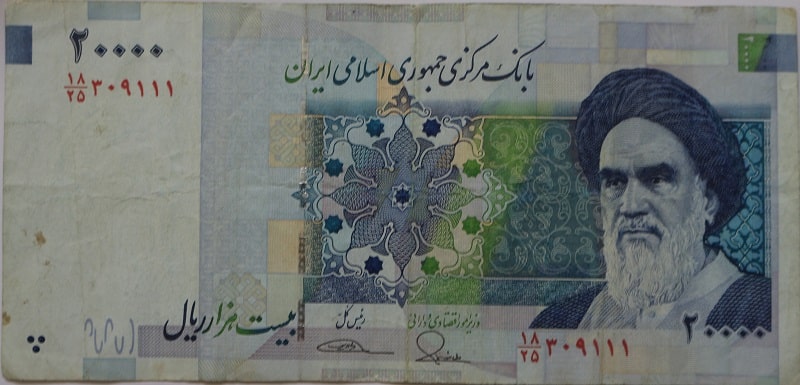
- 20,000 IRR (2,000 Toman) – Ayatollah Khomeini - Common for small purchases
- 50,000 IRR (5,000 Toman) – Shah Abbās I - Most frequently used note
- 100,000 IRR (10,000 Toman) – Ferdowsi - Standard for medium transactions
- 500,000 IRR (50,000 Toman) – Hajj pilgrimage scene - High-value transactions
- 1,000,000 IRR (100,000 Toman) – Ayatollah Khamenei - Largest common denomination
- 2,000,000 IRR (200,000 Toman) – Qasem Soleimani - Recently introduced high-value note
Important Development: Since 2020, Iran has issued new banknotes with dual denomination labels. The 500,000 rial note prominently displays "50,000 Toman" in Persian, and the 1,000,000 rial note shows "100,000 Toman." This transition reflects the planned official shift to toman.
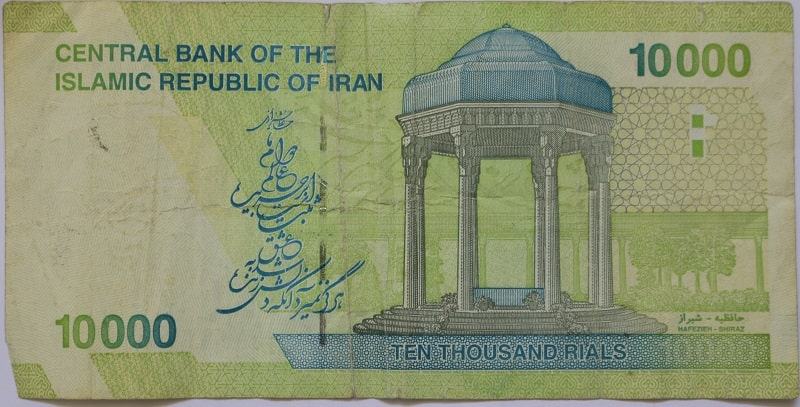
10,000 Rials = 1,000 Toman banknote featuring Avicenna
How to Identify and Verify Iranian Banknotes:
To avoid counterfeit notes and ensure correct payment:
- Check Dual Numerals: All modern notes show value in Western (1,2,3) and Persian (١,٢,٣) numerals.
- Look for Security Features: Watermarks (visible against light), security threads, color-shifting ink, and microprinting.
- Note the Colors: Each denomination has distinct color schemes: blue for 50,000 IRR, green for 100,000 IRR, purple for 500,000 IRR.
- Size Matters: Higher denominations are physically larger - 1,000,000 IRR notes measure 166 × 78 mm.
- Tactile Features: Raised printing (intaglio) on key elements is noticeable by touch.
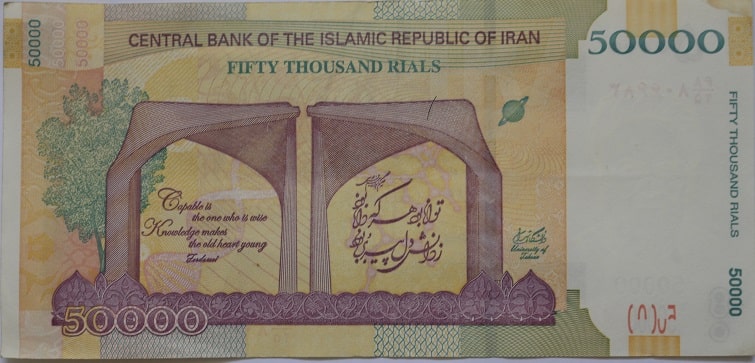
50,000 Rials = 5,000 Toman banknote featuring Shah Abbas I
Iranian Coins: Rare but Still Existing
Due to inflation, coins have minimal practical value but are still minted:
- 1,000 IRR coin (100 Toman) - Rarely used, mostly ceremonial
- 2,000 IRR coin (200 Toman) - Occasionally for exact change
- 5,000 IRR coin (500 Toman) - Most common coin, sometimes used in supermarkets
- 10,000 IRR coin (1,000 Toman) - Newly introduced, gaining acceptance
In practice, vendors often round prices to avoid coin transactions. For detailed shopping guidance, check our Iran Budget Guide 2025.
3. Practical Conversion Examples for Travelers
Master these common scenarios to navigate Iranian prices confidently:
✔ Scenario 1 – Taxi Ride in Tehran:
Driver says: "Hazar Toman" (1,000 Toman). That means 1,000 Toman = 10,000 Rials. For longer journeys, you might hear "Panjah Hezar Toman" (50,000 Toman = 500,000 Rials). Always confirm before getting in. Learn more in our Iran Transportation Guide 2025.
✔ Scenario 2 – Restaurant Bill:
Menu shows: "150,000" with no currency specified. In 95% of restaurants, this means 150,000 Toman = 1,500,000 Rials. High-end restaurants sometimes use rials, so ask "Rial ast ya Toman?" For food-specific budgeting, see our Iran Food Guide 2025.
✔ Scenario 3 – Bazaar Shopping:
Vendor types on calculator: "75". This typically means 75,000 Toman = 750,000 Rials. In Iranian bazaars, "Hezar" (thousand) is often omitted. So "75" means 75,000 Toman. Bargaining is expected - start at 60-70% of asking price.
✔ Scenario 4 – Hotel Booking:
Receptionist quotes: "2 Million" per night. This means 2,000,000 Toman = 20,000,000 Rials. Hotels catering to foreigners often quote in tomans or even euros/dollars. For accommodation tips, refer to our comprehensive travel resources.
✔ Scenario 5 – Supermarket Purchase:
Scanner shows: "45,500" on display. This is 45,500 Rials = 4,550 Toman. Supermarkets and chain stores usually display rials, as their systems are connected to banking networks.
4. Exchange Rates and Money Exchange in Iran 2025
Official vs. Free Market Rates:
Iran has a complex exchange rate system:
- Official Government Rate: Approximately 42,000 IRR per USD (rarely accessible to tourists)
- Free Market Rate (NIMA): Approximately 550,000 IRR per USD (March 2025)
- Black Market Rate: Slightly higher than NIMA, but illegal and risky
Important: As a tourist, you'll access rates close to the free market rate. The official rate is for essential imports and not available for currency exchange.
Where to Exchange Money in Iran:
- Licensed Exchange Offices (Sarafi): Best option - transparent rates, receipts, and security
- Hotels: Convenient but rates are 5-10% worse than exchange offices
- Banks: Offer official rates only for specific transactions
- Trusted Local Guides: Can recommend reliable exchange places
Accepted Currencies for Exchange:
- Easiest: Euros (€) and US Dollars ($) - most widely accepted
- Also Accepted: British Pounds (£), UAE Dirhams (AED), Turkish Lira (TRY)
- Less Common: Other major currencies with varying acceptance
Pro Tip: Bring crisp, undamaged, newer series banknotes (post-2013 for USD). Older or damaged notes may be rejected or exchanged at lower rates. For detailed financial planning, consult our Iran Budget 2025 guide.
5. Payment Methods in Iran: Cash, Cards, and Digital Options
International Cards DO NOT Work in Iran:
Due to international sanctions, Visa, Mastercard, American Express, and other foreign cards do not work in Iran. You cannot withdraw cash from ATMs with foreign cards.
Practical Payment Options for Tourists:
1. Cash (Most Common Method)
- Pros: Universally accepted, no fees, enables bargaining
- Cons: Security risk, bulkiness, need for careful counting
- Recommended: Carry 20-30 million rials (2-3 million tomans) for a week-long trip
2. Prepaid Tourist Cards (Recommended for Security)
Several Iranian banks offer special cards for tourists:
- Tourist Credit Card: Load with foreign currency, spend in rials
- Shetab-Compatible Cards: Work with Iran's interbank network
- Where to Get: Major banks like Mellat, Melli, or through tour agencies
3. Local Debit Cards (For Longer Stays)
If staying 1+ months, consider opening a local account:
- Requirements: Passport, visa, local phone number
- Process: 2-3 days through a local sponsor
- Benefits: Use ATMs, online payments, app-based services
4. Mobile and Digital Payments
- Local Apps: Requires Iranian bank account and national ID
- Peer-to-Peer: Locals may pay via app and accept your cash
- Future Developments: Pilot programs for tourist digital payments
5. Money Transfer Services
- Hawala: Informal transfer system (use with extreme caution)
- Cryptocurrency: Growing but not yet mainstream for tourists
- Bank Transfer: Complex due to sanctions, not recommended
For comprehensive travel preparation, including financial aspects, see our Iran Safety Guide 2025 and Solo Travel Guide 2025.
6. Money Safety and Security Tips for Iran Travel
Avoiding Common Scams and Mistakes:
- Always Count Your Change: Verify amounts immediately after transaction
- Learn Persian Numbers: Essential for reading handwritten prices
- Use Money Belts: Especially in crowded bazaars and public transport
- Divide Your Cash: Keep funds in multiple locations
- Photograph Banknotes: Record serial numbers of high-value notes
- Exchange Gradually: Don't convert all money at once
Recognizing Counterfeit Money:
- Check Watermarks: Hold against light to see hidden images
- Feel Texture: Real notes have raised ink on key elements
- Verify Security Thread: Embedded thread with microprinting
- Color-Shifting Ink: Tilt note to see color change on high denominations
- Ultraviolet Features: Some elements glow under UV light
Banking Hours and ATM Availability:
- Bank Hours: Saturday-Wednesday 7:30 AM-4:00 PM, Thursday 7:30 AM-12:00 PM
- Exchange Offices: Typically 9:00 AM-7:00 PM, some open later
- ATMs: Everywhere but only work with Iranian cards
- Weekend Consideration: Thursday afternoon and Friday (weekend) limited services
7. Common Money Scenarios and How to Handle Them
Scenario: Price Seems Too High
Ask: "In Rial ast ya Toman?" (Is this in rials or tomans?)
If Toman: Multiply by 10 to get rial value, then convert to your currency
Bargaining Tip: Start at 60-70% of initial price for non-fixed price items
Scenario: Vendor Insists Price is Final
Check: Is this a supermarket/chain store? Fixed prices are common there
Compare: Check similar items at nearby stalls
Walk Away: Often prompts a better offer if bargaining is expected
Scenario: Confused by Too Many Zeros
Simplify: Cover last zero with finger - what remains is toman amount
Example: "500,000" → cover last zero → "50,000" tomans
Verify: Ask vendor to write amount to avoid confusion
Scenario: Running Out of Cash
Exchange More: Use licensed exchange offices (sarafi)
Western Union: Some locations serve foreigners (bring passport)
Emergency: Contact your embassy or trusted local contact
8. Budget Planning and Cost Expectations 2025
Daily Budget Ranges (Per Person):
Budget Traveler (Backpacker Style):
- Accommodation: 3-5 million rials (300,000-500,000 tomans)
- Food: 2-3 million rials (200,000-300,000 tomans)
- Transport: 1-2 million rials (100,000-200,000 tomans)
- Attractions: 0.5-1 million rials (50,000-100,000 tomans)
- Total Daily: 6.5-11 million rials (650,000-1.1 million tomans)
Mid-Range Traveler (Comfortable):
- Accommodation: 6-10 million rials (600,000-1 million tomans)
- Food: 4-6 million rials (400,000-600,000 tomans)
- Transport: 2-4 million rials (200,000-400,000 tomans)
- Attractions/Activities: 1-2 million rials (100,000-200,000 tomans)
- Total Daily: 13-22 million rials (1.3-2.2 million tomans)
Luxury Traveler (High Comfort):
- Accommodation: 15-30+ million rials (1.5-3+ million tomans)
- Food: 8-15 million rials (800,000-1.5 million tomans)
- Transport: Private driver 5-10 million rials (500,000-1 million tomans)
- Activities/Shopping: 5-20+ million rials (500,000-2+ million tomans)
- Total Daily: 33-75+ million rials (3.3-7.5+ million tomans)
Specific Cost Examples (March 2025 Prices):
- Bottle of Water: 50,000-100,000 rials (5,000-10,000 tomans)
- Local Meal (kabab): 1-2 million rials (100,000-200,000 tomans)
- Uber-like Taxi (Snapp): 300,000-800,000 rials (30,000-80,000 tomans)
- Museum Entry: 500,000-2 million rials (50,000-200,000 tomans)
- SIM Card with Data: 2-5 million rials (200,000-500,000 tomans)
- Traditional Handicraft: 5-50+ million rials (500,000-5+ million tomans)
For comprehensive itinerary planning with budget considerations, explore our Iran Itineraries 2025 guide.
9. The Future: Currency Redenomination and Economic Outlook
Iran has approved a plan to officially change from Rial to Toman and remove four zeros:
- Current: 10,000 Rials → Future: 1 New Toman
- Current: 100,000 Rials → Future: 10 New Toman
- Current: 1,000,000 Rials → Future: 100 New Toman
Implementation Status and Timeline:
- Legislation Passed: 2020 Parliament approval
- Transition Period: Estimated 2-4 years from implementation start
- Current Phase: Dual-labeled banknotes circulating
- Expected Challenges: ATM updates, price display changes, public adaptation
What This Means for Travelers:
- Short Term (2025-2026): Current system continues, increased dual labeling
- Medium Term (2027-2028): Possible official transition, both currencies accepted
- Long Term (2029+): Complete shift to new toman, rial phased out
Traveler Recommendation: Regardless of official changes, the practical conversion (1 toman = 10 rials) will remain relevant for understanding historical prices and older references. For ongoing updates on economic conditions, see our Iran Sanctions 2025 analysis.
10. Essential Persian Phrases for Money Transactions
| English | Persian (Farsi) | Pronunciation |
|---|---|---|
| How much? | چند؟ | Chand? |
| Is this in rials or tomans? | ریال است یا تومان؟ | Rial ast ya Toman? |
| Too expensive | خیلی گرونه | Kheili geroone |
| Can you lower the price? | میشه قیمت رو کمتر کنید؟ | Mishe gheymat ro kamtar konid? |
| I'll pay cash | نقدی میپردازم | Naghd mi-pardazam |
| Do you have change? | خرد دارید؟ | Khord darid? |
| Receipt, please | رسید، لطفا | Resid, lotfan |
For comprehensive language preparation, including money-related vocabulary, see our Iran Phrases Guide.
11. Summary: Key Takeaways for Handling Money in Iran
Golden Rules for Iran Currency Success:
- Always confirm "Rial or Toman?" when quoted a price
- Remember the conversion: 1 Toman = 10 Rials (mentally remove one zero)
- Carry sufficient cash - foreign cards don't work due to sanctions
- Exchange at licensed offices (sarafi) for best rates and security
- Learn Persian numbers to read handwritten price tags
- Bargain politely in bazaars and with independent vendors
- Divide your cash for security and convenience
- Keep small denominations for taxis and small purchases
- Count change immediately after each transaction
- Plan for weekend closures - exchange offices close Friday
Related Resources for Comprehensive Iran Travel Planning:
- Complete Iran Travel Guide 2025 - Everything you need to know
- Iran Budget Planning Guide 2025 - Detailed cost breakdowns
- Iran Safety and Security Guide 2025 - Money safety included
- Iran Transportation Guide 2025 - Costs and payment methods
- Iran Frequently Asked Questions 2025 - Quick answers
- Iran Visa Process 2025 - Entry requirements and fees
- Iran Solo Travel Guide 2025 - Special considerations
- Iran Packing Guide - What to bring including money
- Currency Converter Tool - Real-time exchange calculations
Understanding Iran's currency system is your first step toward a confident, enjoyable travel experience. While the dual rial-toman system initially seems complex, it becomes intuitive with practice. By following this comprehensive guide, you'll avoid common financial pitfalls, maximize your budget, and engage more meaningfully with local markets and vendors.
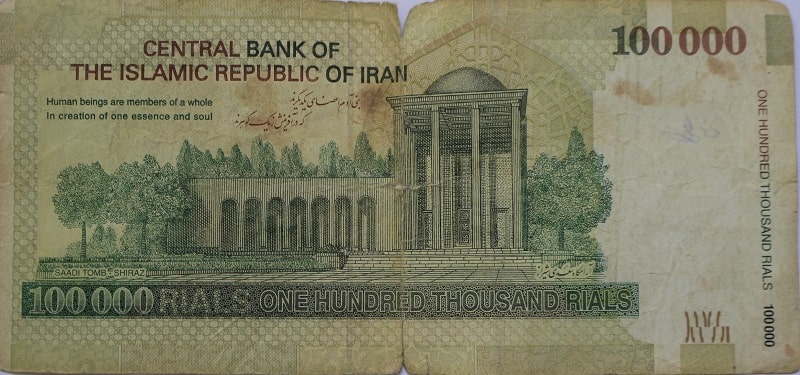
100,000 Rials = 10,000 Toman banknote featuring Ferdowsi
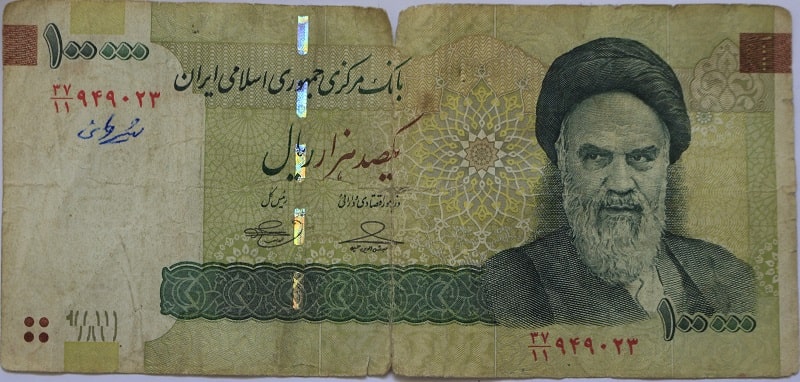
Collection of current Iranian banknotes showing various denominations
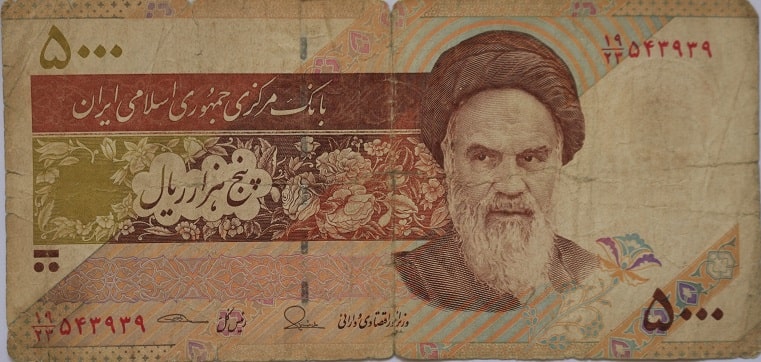
5,000 Rials = 500 Toman banknote (lowest commonly used denomination)
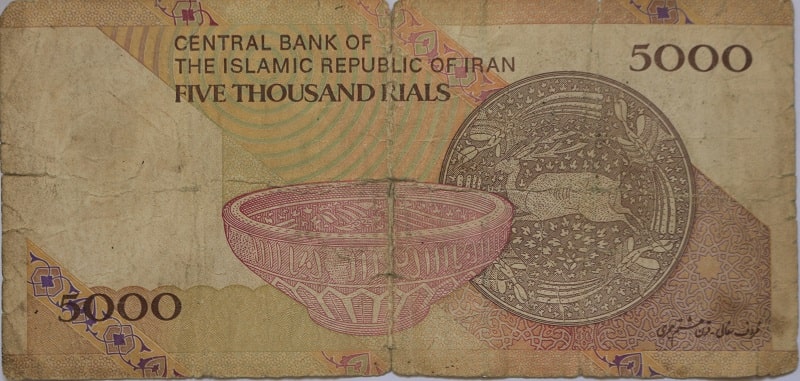
Reverse side of 5,000 Rial banknote showing historical Persian architecture
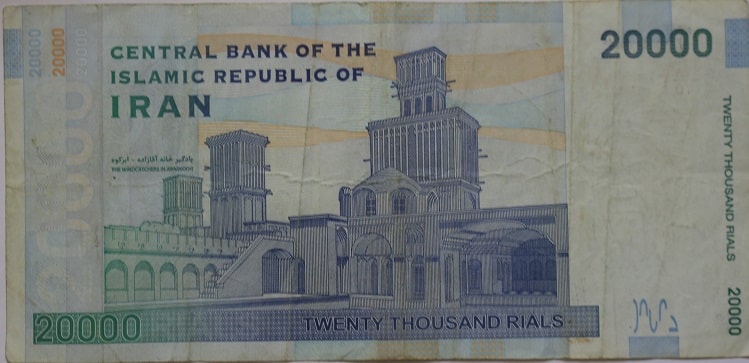
20,000 Rials = 2,000 Toman banknote featuring Ayatollah Khomeini
Close-up showing security features on modern Iranian banknotes
Final Pro Tip: Digital Aids for Currency Management
While in Iran, consider these digital tools to simplify money management:
- Offline Currency Converter Apps: Pre-download before arrival
- Persian Number Learning Apps: Quick reference for numerals
- Expense Tracking Apps: Monitor daily spending in both currencies
- Photo Documentation: Photograph prices for later reference and budgeting
- Digital Phrasebook: Quick access to money-related Persian phrases
Remember: While technology helps, the most valuable skill remains the ability to confidently ask "Rial ast ya Toman?" and understand the response.
 Help us keep creating free Iran travel resources
Questions about Iranian currency? Chat with us on WhatsApp for personalized advice.