
Introduction: The Richness of Persian Cuisine
Iranian cuisine represents one of the world's oldest and most sophisticated culinary traditions, with recipes and cooking techniques dating back thousands of years. Persian food is characterized by its sophisticated use of herbs, balanced flavors, and the importance of fresh, seasonal ingredients.
This comprehensive guide explores Iran's diverse food landscape in 2025, from timeless classics served in traditional homes to modern interpretations in contemporary restaurants. Whether you're a culinary adventurer or prefer familiar comforts, understanding Persian food culture will significantly enhance your travel experience.
Iranian meals are more than just nourishment—they're social events, expressions of hospitality, and celebrations of seasonal abundance. The famous Persian hospitality (mehman nawazi) ensures that visitors are consistently treated to generous portions and warm welcomes at dining tables across the country.
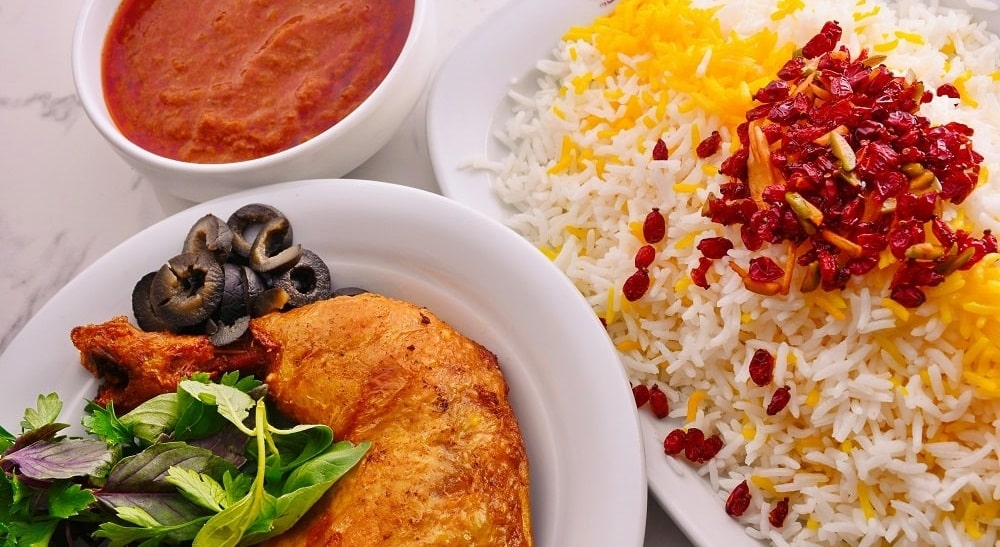
A traditional Persian spread featuring rice dishes, kebabs, and fresh herbs
Culinary Insight: According to a 2024 international food tourism survey, Iranian cuisine ranked among the top 5 most surprising and satisfying culinary discoveries for travelers, with 89% of visitors rating Persian food as better than expected.
Essential Iranian Dishes to Try
These classic Persian dishes form the foundation of Iranian cuisine and should be on every visitor's must-try list.
Rice Dishes (Polo)
Rice is the centerpiece of Persian cuisine, prepared with exquisite care:
- Chelow: Perfectly steamed basmati rice with golden tahdig (crispy bottom)
- Bagali Polo: Rice with dill and fava beans, often served with lamb
- Sabzi Polo: Herb rice traditionally served with fish during Nowruz
- Adas Polo: Lentil and rice dish with dates and raisins
- Albaloo Polo: Sour cherry rice typically served with chicken
- Tahchin: Baked rice cake with yogurt, egg, and chicken or meat filling
Kebabs and Grilled Meats
Iran's famous grilled meats are culinary highlights:
- Barg: Fillet of lamb or beef marinated in onion and saffron
- Koobideh: Minced meat kebab with grated onion and spices
- Joojeh Kebab: Marinated chicken pieces, often with saffron and lemon
- Chenjeh: Chunks of lamb or beef, simply seasoned and grilled
- Bakhtiari: Combination of lamb fillet and chicken breast
- Soltani: One skewer of Barg and one of Koobideh
Stews (Khoresht)
Complex, slow-cooked stews served over rice:
- Ghormeh Sabzi: Herb stew with kidney beans and dried lime
- Fesenjan: Pomegranate and walnut stew with chicken or duck
- Gheimeh: Yellow split pea and tomato stew with fried potatoes
- Bademjan: Eggplant and tomato stew with lamb or beef
- Khoresht-e Karafs: Celery stew with herbs and meat
When ordering at traditional restaurants, meals typically include rice, grilled tomatoes, fresh herbs (sabzi khordan), and yogurt (maast) alongside your main dish.
Regional Culinary Specialties
Iran's diverse geography and ethnic composition create distinct regional cuisines worth exploring.
Northern Iran (Caspian Region)
Lush, green landscapes influence the cuisine:
- Mirza Ghasemi: Smoked eggplant with tomato, garlic, and egg
- Baghali Ghatogh: Fava beans with dill and eggs
- Torshi Tareh: Sour herb stew unique to Gilan province
- Mahi Doodi: Smoked fish from the Caspian Sea
- Kuku Sabzi: Herb frittata, especially popular during Nowruz
Western Iran (Kurdish and Azeri Regions)
Mountainous terrain with distinctive flavors:
- Dizi (Abgoosht): Meat and chickpea stew mashed at the table
- Khoresh-e Khalal: Almond stew from Kermanshah
- Koofteh Tabrizi: Giant meatballs stuffed with dried fruits and nuts
- Dolmeh Barg-e Mo: Stuffed grape leaves, a Tabriz specialty
- Khoresht-e Aloo: Plum stew popular in Kurdish regions
Southern Iran (Persian Gulf)
Coastal cuisine with Arab and Indian influences:
- Ghalyeh Mahi: Spicy fish stew with cilantro and fenugreek
- Mahyawa: Fermented fish sauce used as condiment
- Qeimeh Shirazi: Shiraz variation with minced meat and split peas
- Koloocheh: Date-filled cookies from Bushehr
- Halim: Wheat and meat porridge, often for breakfast
Regional Tip: When traveling between cities, make a point to try local specialties. The difference between Tehrani, Isfahani, and Shirazi interpretations of the same dish can be remarkable and reveals much about regional identities.
Street Food and Quick Eats
Iran's street food scene offers delicious, affordable options perfect for quick meals or snacks while exploring.
Popular Street Foods
Must-try street eats found throughout Iran:
- Falafel: Chickpea patties in pita bread with vegetables
- Sandwich Kabab: Koobideh in barbari bread with tomatoes and herbs
- Ash Reshteh: Thick noodle soup with beans and herbs
- Halim Bademjan: Eggplant and meat mixture served with bread
- Shirazi Salad: Diced cucumber, tomato, and onion with lime dressing
- Mirza Ghasemi Wrap: Northern specialty in lavash bread
Snacks and Light Bites
Perfect for between meals or quick energy:
- Naan-o Panir-o Sabzi: Bread with cheese and fresh herbs
- Laboo: Hot beetroot sold from street carts in winter
- Gerdoo: Roasted walnuts and chickpeas from sidewalk vendors
- Berenj-e Shir: Rice pudding with rosewater and cinnamon
- Shirini: Various traditional pastries and cookies
Food Safety for Street Eating
Enjoy street food confidently with these guidelines:
- Popular vendors: Choose stalls with high customer turnover
- Observation: Watch food preparation before ordering
- Hot foods: Opt for freshly cooked items served hot
- Water: Drink bottled water and avoid ice from unknown sources
- Freshness: Peel fruits yourself or choose cooked fruits
- Gradual introduction: Start with small portions to test tolerance
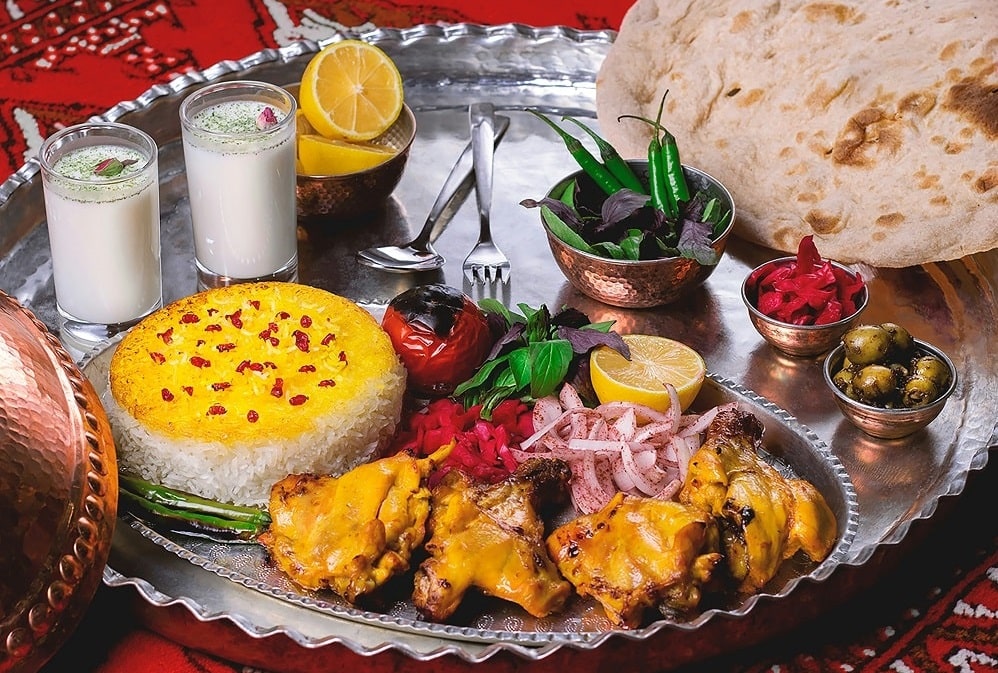
Street food vendors offer delicious, affordable options throughout Iranian cities
Restaurant Guide and Dining Options
Understanding Iran's restaurant landscape helps you choose dining experiences that match your preferences and budget.
Types of Eating Establishments
Navigating Iran's diverse dining options:
- Restaurant (Restoran): Full-service restaurants with diverse menus
- Sofrekhane: Traditional restaurants with floor seating
- Kababi: Specializing in various kebabs and rice dishes
- Fast Food: Western-style options alongside Iranian quick meals
- Bastani: Traditional ice cream parlors with Persian flavors
- Chaykhane: Tea houses serving drinks and light snacks
Dining Etiquette and Customs
Cultural norms to observe when eating out:
- Greeting: Say "Salam" when entering and "Nooshe jan" before eating
- Shoe removal: Required in traditional sofrekhane with floor seating
- Right hand: Use right hand for eating when not using utensils
- Bread respect: Never place bread upside down or waste it
- Paying: The inviter typically pays; requesting separate bills is uncommon
- Tipping: 10% customary in restaurants; small change in casual places
Budgeting for Meals
Typical costs for dining in Iran (2025):
- Street food: $2-5 for a satisfying meal
- Casual restaurants: $5-12 for main course with rice
- Mid-range restaurants: $12-25 for full meal with drinks
- High-end establishments: $25-50+ for premium dining experience
- Traditional tea houses: $3-8 for tea and snacks
Food Markets and Shopping Tips
Iran's vibrant markets (bazaars) offer incredible food shopping experiences and insight into local culinary culture.
Must-Visit Food Markets
Iconic markets for food enthusiasts:
- Tehran Grand Bazaar: Massive covered market with dedicated food sections
- Vakil Bazaar (Shiraz): Beautiful traditional market with spice shops
- Tabriz Historic Bazaar: UNESCO site with exceptional dried fruit and nut sections
- Isfahan Bazaar: Connected to Naqsh-e Jahan Square, famous for gaz (nougat)
- Local produce markets: Neighborhood markets with freshest seasonal items
What to Buy as Food Souvenirs
Edible gifts and culinary souvenirs:
- Saffron: World's highest quality at fraction of international prices
- Dried fruits and nuts: Pistachios, dates, apricots, and berries
- Spice blends: Advieh (Persian spice mix) and specialty seasonings
- Sweets: Gaz (Isfahan nougat), sohan (Qom brittle), baklava
- Fruit leather (lavashak): Natural fruit rolls in various flavors
- Traditional utensils: Copperware, ceramic dishes, and tea sets
Market Shopping Tips
Making the most of Iranian market experiences:
- Cash only: Markets operate on cash; bring sufficient rials
- Sampling: Most vendors offer samples before purchase
- Bargaining: Expected in bazaars, less so in fixed-price shops
- Quality inspection: Check dates, packaging, and freshness
- Export restrictions: Verify what can be legally taken to your country
- Local advice: Ask guides or hotel staff for reputable vendors
Cooking Classes and Food Experiences
Interactive food experiences offer deeper understanding of Persian cuisine and create lasting memories.
Cooking Class Options
Various formats available for different interests:
- Home cooking classes: Learn from local families in their kitchens
- Professional classes: Structured courses with certified instructors
- Market tours with cooking: Combine shopping with hands-on preparation
- Specialty workshops: Focus on specific skills like bread making or sweets
- Short demonstrations: Quick introductions to key techniques
Typical Class Structure
What to expect from Persian cooking classes:
- Introduction: Overview of Persian cuisine principles and ingredients
- Recipe selection: Usually 2-3 classic dishes like tahdig and khoresht
- Hands-on preparation: Active participation in all cooking stages
- Cultural context: Stories behind dishes and their significance
- Shared meal: Enjoying the prepared dishes together
- Recipe cards: Take-home instructions to recreate dishes
Finding Quality Food Experiences
Selecting the best culinary activities:
- Research: Read recent reviews from international participants
- Language: Confirm instruction available in English or your language
- Group size: Smaller classes (4-8 people) offer better experience
- Location: Home-based classes often more authentic than hotel ones
- Special diets: Inquire about accommodation for dietary restrictions
- Booking: Reserve in advance, especially during peak seasons
Experience Tip: Consider taking a cooking class early in your trip. The knowledge gained about ingredients and techniques will enhance your appreciation of restaurant meals and market visits throughout your journey.
Dietary Restrictions and Food Safety
Navigating Iranian cuisine with dietary needs requires awareness and communication strategies.
Vegetarian and Vegan Options
Persian cuisine offers excellent plant-based choices:
- Naturally vegetarian dishes: Many khoresht (stews) can be meat-free
- Rice dishes: Most polo varieties are vegetarian or easily adapted
- Appetizers and sides: Extensive selection of salads, dips, and vegetables
- Egg dishes: Kuku (frittata) and various egg preparations
- Legume-based dishes: Ash reshteh (noodle soup) and adas polo
- Communication phrases: Learn "ghiema nadaram" (I don't eat meat)
Common Dietary Considerations
Managing specific dietary needs in Iran:
- Halal: All meat in Iran is halal; pork products completely unavailable
- Gluten-free: Rice-based dishes are safe; avoid bread and certain stews
- Dairy-free: Yogurt and cheese commonly used; request without
- Nut allergies: Many dishes contain nuts; clearly communicate allergies
- Spice sensitivity: Most Persian food is mildly spiced; specify preferences
Food Safety Practices
Staying healthy while enjoying Iranian food:
- Water: Drink bottled water; avoid tap water and unknown ice sources
- Freshness: Choose busy restaurants with high ingredient turnover
- Fruits and vegetables: Wash thoroughly or choose cooked/pre-peeled
- Street food: Opt for vendors with high customer volume
- Gradual introduction: Allow your system to adjust to new ingredients
- Hand hygiene: Wash hands frequently, especially before eating
Traditional Beverages and Drinks
Iran's beverage culture extends beyond food, with traditional drinks that complement meals and refresh throughout the day.
Non-Alcoholic Beverages
Traditional drinks enjoyed throughout Iran:
- Chai (Tea): Black tea served strong, often with sugar cube (ghand)
- Doogh: Yogurt drink with mint, sometimes carbonated
- Sharbat: Sweet floral syrups diluted with water
- Ab havij: Fresh carrot juice, often with saffron or ice cream
- Sekanjebin: Mint and vinegar syrup, refreshing when diluted
- Fresh juices: Pomegranate, orange, and watermelon seasonally available
Tea Culture (Chaykhane)
Understanding Iran's central social beverage:
- Tea preparation: Strong brew diluted with hot water to taste
- Serving style: In glass cups (estekan) with saucers
- Sugar: Traditionally held in mouth (ghand) while drinking tea
- Tea houses: Social hubs for conversation, backgammon, and relaxation
- Accompaniments: Often served with dates, raisins, or sweets
- Cultural significance: Symbol of hospitality and social connection
Modern Beverage Scene
Contemporary drinking establishments in Iran:
- Traditional tea houses: Maintain historic decor and atmosphere
- Modern cafes: Western-style coffee shops with Iranian twists
- Juice bars: Fresh fruit and vegetable juice establishments
- Ice cream parlors: Serving traditional bastani and modern flavors
- Roof-top tea houses: Scenic views with traditional beverages
Final Foodie Recommendations
These essential tips will help you make the most of Iran's incredible culinary landscape during your visit.
Top 10 Food Experiences in Iran
- Share a home-cooked meal with an Iranian family for authentic hospitality
- Master the art of eating tahdig (crispy rice bottom) from the pot
- Take a cooking class focusing on classic Persian dishes
- Explore local food markets with a guide to understand ingredients
- Try regional specialties in their cities of origin
- Experience traditional tea house culture with backgammon and conversation
- Sample street food from popular vendors in different cities
- Visit a traditional bakery early morning to see bread-making process
- Taste seasonal fruits at their peak freshness
- Learn to make and enjoy proper Persian tea with ghand (sugar cubes)
Seasonal Food Calendar
Planning around Iran's seasonal specialties:
- Spring (March-May): Fresh herbs, green almonds, Nowruz specialties
- Summer (June-August): Stone fruits, cherries, melons, cooling dishes
- Autumn (September-November): Pomegranates, grapes, walnuts, hearty stews
- Winter (December-February): Citrus fruits, dates, warming soups and ash
Iranian cuisine offers one of the world's great culinary adventures, where ancient traditions meet vibrant contemporary food culture. The generosity and pride Iranians take in their food will likely become one of your most cherished travel memories, creating connections that transcend language and cultural barriers.
Need Personalized Food Guidance?
Our team can recommend specific restaurants, arrange cooking classes, and create food-focused itineraries based on your preferences and dietary needs.
Get Food Experience Advice