
Understanding Iranian Culture
Iranian culture is a rich tapestry woven from thousands of years of history, Islamic traditions, and Persian customs. Understanding and respecting these cultural norms is not just about following rules—it's about appreciating the depth and beauty of Iranian society and building genuine connections with local people.
While Iran has specific Islamic codes that are legally enforced, particularly regarding dress and public behavior, the culture is far more complex and nuanced than these regulations might suggest. Iranians make clear distinctions between legal requirements and personal beliefs, and they're generally understanding and forgiving of tourists who make cultural mistakes provided the intent is respectful.
This guide will help you navigate Iran's cultural landscape with confidence, showing you how to dress appropriately, behave respectfully, and understand the social cues that will make your interactions with Iranians more meaningful and enjoyable.
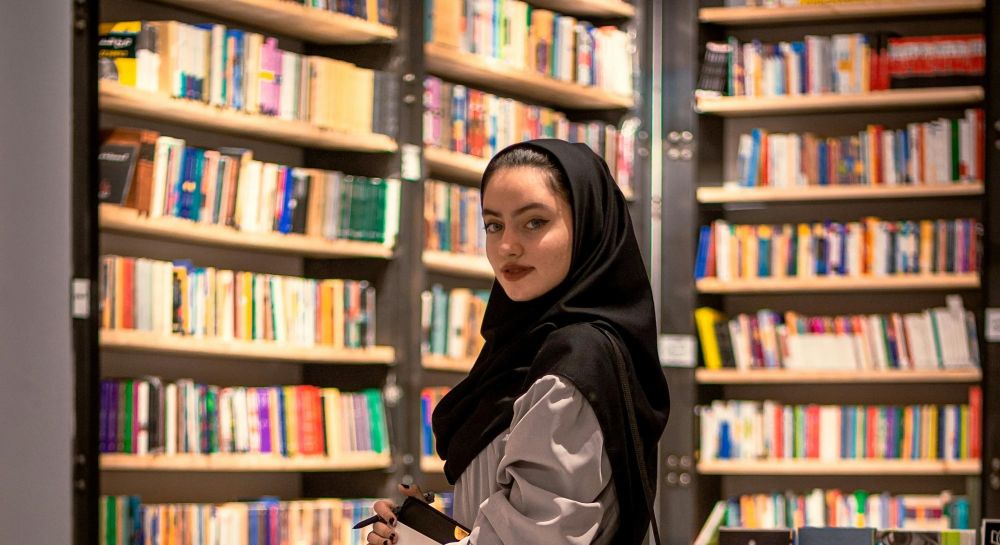
Understanding Iranian culture enhances travel experiences and shows respect
Women's Dress Code (Hijab Rules)
The Islamic dress code (hijab) is legally required for all women in Iran, including foreign tourists, from age 9. Understanding these requirements will ensure you dress appropriately and avoid unwanted attention.
Basic Requirements
- Headscarf (Rusari): Must cover all hair (no bangs showing)
- Manteau or Coat: Loose-fitting, covering hips and thighs
- Trousers or Long Skirt: Covering legs to ankles
- Sleeves: Covering arms to wrists
- Overall: Clothing should not show body shape
Practical Tips for Female Travelers
- Bring multiple scarves - light cotton for warm weather, warmer materials for cold
- Choose dark colors that don't show dirt for longer wear
- Pack safety pins to secure scarves in wind
- Wear t-shirts under manteau for extra coverage
- Carry a pashmina that can double as scarf and shoulder cover
What's Acceptable vs What's Not
Acceptable: Colorful scarves, printed manteaux, fashionable loose clothing, showing collar of shirt underneath
Not Acceptable: Tight clothing, transparent fabrics, bare arms, visible hair, shorts, low-cut necklines
Enforcement & Flexibility
- Tourist Areas: Generally more lenient with minor slips
- Religious Sites: Strict enforcement, chadors often required
- Rural Areas: Often more conservative than cities
- Private Spaces: No restrictions in hotels, homes, women-only spaces
Cultural Insight: Many Iranian women have turned the dress code into a fashion statement with colorful scarves, stylish manteaux, and creative combinations that express personal style within the rules.
Men's Dress Code
While men's dress code is less strictly regulated, there are still important norms to follow for cultural respect and to avoid unwanted attention.
Basic Requirements
- Shorts: Generally not worn by adult men, avoid in cities
- Sleeves: Short sleeves acceptable, sleeveless not recommended
- Trousers: Standard wear, jeans completely acceptable
- Swimwear: Only at designated men's beaches/pools
- Religious Sites: Long trousers and covered arms required
Practical Tips for Male Travelers
- Pack lightweight trousers for warm weather instead of shorts
- Bring collared shirts for more formal occasions
- Avoid clothing with Western political or controversial messages
- Remove shoes when entering homes and mosques
- Carry a light jacket for religious sites and cooler evenings
Hair & Grooming
- Facial hair is common and completely acceptable
- Long hair on men is generally accepted for foreigners
- Extreme hairstyles or colors may draw attention
- Neat, clean appearance is always appreciated
Special Situations
- Business Settings: Conservative dress expected
- Rural Areas: More traditional attire appreciated
- Sports: Appropriate athletic wear in gyms/sports facilities
- Beaches: Follow local norms - often more covered than Western beaches
Social Etiquette & Behavior
Understanding Iranian social customs will help you navigate interactions smoothly and show respect for local culture.
Greetings & Introductions
- Salaam: Universal greeting meaning "peace"
- Handshakes: Between men common, wait for women to initiate
- Cheek Kissing: Same gender common after familiarity
- Elders: Show respect by greeting first
- Titles: Use "Agha" (Mr.) and "Khanom" (Mrs./Ms.) with surnames
Public Behavior
- Public Displays of Affection: Avoid between unrelated men and women
- Loud Behavior: Considered rude, maintain moderate volume
- Queuing: Lines may be less structured than Western countries
- Temper: Remaining calm in disputes is valued
- Respect for Elders: Offer seats, defer to opinions
Gestures & Body Language
- Thumbs Up: Generally positive, similar to Western meaning
- Beckoning: Wave downward with palm facing ground
- Feet: Avoid showing soles or pointing feet at people
- Eye Contact: Moderate is respectful, staring is rude
- Personal Space: Closer than Western norms, especially same gender
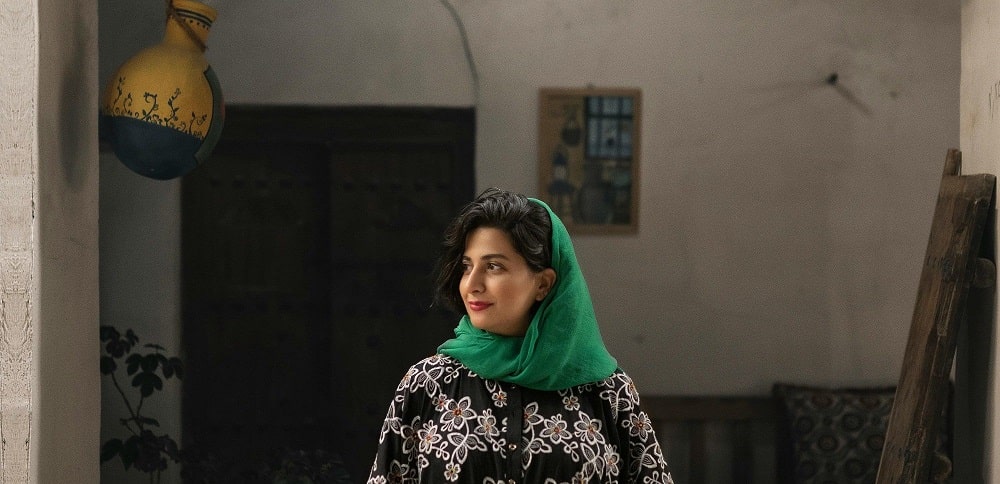
Iranian greetings often involve warmth and multiple exchanges
Religious Customs & Respect
Islam permeates many aspects of Iranian life. Showing respect for religious customs is essential for positive interactions.
Mosque Etiquette
- Dress Modestly: Full hijab for women, covered arms/legs for men
- Remove Shoes: Before entering prayer areas Prayer Times: Avoid visiting during main prayer times
- Photography: Ask permission, avoid during prayers
- Non-Muslims: Most mosques welcome respectful visitors
Ramadan Considerations
- Fasting Hours: No eating, drinking, smoking in public during daylight
- Restaurant Hours: Many close during day, open after sunset
- Patience: People may be tired or irritable, especially late afternoon
- Iftar: Breaking fast at sunset - special meals, invitations common
- Eid al-Fitr: Festival ending Ramadan - celebrations, closures
Religious Figures & Symbols
- Leadership: Avoid criticism of religious or political leaders
- Quran: Treat with utmost respect, never place on floor
- Religious Art: Appreciate but avoid handling sacred items
- Shrines: Special rules apply - follow local guidance
Other Religious Communities
- Christian, Jewish, Zoroastrian: Recognized minority religions
- Respect: Show same respect for all places of worship
- Curiosity: Questions about religion generally welcomed if respectful
Communication Styles
Iranian communication involves subtlety, indirectness, and great emphasis on politeness and face-saving.
Conversation Etiquette
- Indirectness: Iranians often communicate indirectly to maintain harmony
- Politeness: Excessive politeness is common, not insincere
- Personal Questions: Common about marriage, family, work
- Compliments: Offered generously, respond modestly
- Disagreement: Express gently, avoid direct contradiction
Topics of Conversation
Appropriate: Family, Persian culture, poetry, food, sports, travel experiences, art, history
Avoid: Politics, religion, Israel, relations with West, criticism of government, sex
Taarof (Iranian Politeness Ritual)
Understanding Taarof is essential for navigating Iranian social interactions:
- Refusal then Acceptance: Offers may be refused initially out of politeness
- Paying: Iranians often insist on paying - gentle resistance expected
- Invitations: May be offered out of politeness rather than genuine intent
- Compliments: Downplay your own achievements when complimented
- Learning: Observe local interactions to understand context
Non-Verbal Communication
- Eye Contact: Moderate, direct eye contact shows respect
- Head Gestures: Single head tilt back means "no", raised eyebrows means "what?"
- Hand Gestures: Use right hand for eating, giving/receiving items
- Silence: Comfortable silences are normal in conversations
Dining Etiquette
Food is central to Iranian culture, and understanding dining etiquette will enhance your culinary experiences.
General Dining Rules
- Right Hand: Use for eating, passing food, handshakes
- Shoes: Remove before entering traditional dining spaces
- Seating: Wait to be shown where to sit, elders seated first
- Beginning: Wait for host to invite you to start eating
- Compliments: Praise the food, but not excessively
Table Manners
- Portions: Take small amounts initially, seconds will be offered
- Finishing Food: Leaving a little food indicates you're satisfied
- Bread: Tear, don't cut, with hands
- Utensils: Use provided, but some foods eaten with hands
- Burping/Slurping: Generally considered rude
Restaurant Etiquette
- Paying: Often involves "taarof" - mild argument over bill
- Tipping: 10% customary if service charge not included
- Sharing: Common to share dishes family-style
- Alcohol: Strictly prohibited, no exceptions for tourists
- Separate Sections: Some restaurants have family sections
Home Dining Invitations
- Gift: Bring sweets, flowers, or fruit for host
- Punctuality: Being 15-30 minutes late is often expected
- Shoes: Remove at entrance unless instructed otherwise
- Second Helpings: Accept when offered to show appreciation
- Departure: Leave before midnight unless close friends
Photography Etiquette
Iran offers incredible photographic opportunities, but respect for privacy and cultural sensitivity is essential.
General Photography Rules
- Ask Permission: Always ask before photographing people
- Military Sites: Strictly prohibited, serious consequences
- Government Buildings: Avoid photography unless clear permission
- Religious Sites: Check rules, often no flash or tripods
- Women: Be especially sensitive photographing Muslim women
People Photography
- Consent: Explicit consent required for close portraits
- Children: Ask parents, not children, for permission
- Street Scenes: General street photography usually acceptable
- Payment: Some may expect small payment for posing
- Respect Refusals: Accept "no" gracefully without questioning
Social Media Considerations
- VPN Required: Most social media blocked, need VPN access
- Cultural Sensitivity: Consider how images represent Iran
- Privacy: Respect wishes if people ask not to be shared online
- Political Content: Avoid sharing anything potentially sensitive
Drone Photography
- Generally Prohibited: Strict regulations for foreign drones
- Permits Required: Difficult to obtain for tourists
- Security Concerns: May be confiscated at customs
- Alternatives: Better to use ground-based photography
Gender Interactions
Understanding gender dynamics in Iran will help you navigate social situations appropriately and avoid misunderstandings.
Public Interactions
- Physical Contact: Avoid between unrelated men and women
- Conversation: Cross-gender conversations acceptable but modest
- Eye Contact: Brief and respectful between genders
- Personal Questions: Avoid asking personal questions to opposite gender
Relationships & Dating
- Public Behavior: No public displays of affection
- Unmarried Couples: May face questions at hotel check-ins
- Local Relationships: Strict social rules govern local dating
- Marriage Proof: Some hotels require for Iranian couples
Transportation & Public Spaces
- Metro: Women-only carriages (first and last)
- Buses: Often women sit in back, men in front
- Taxi: Women may prefer Snapp (ride-hailing) for safety
- Queues: Sometimes gender-separated
Business Interactions
- Professionalism: Maintain formal, professional demeanor
- Meetings: Gender-mixed business meetings common
- Greetings: Wait for women to initiate handshakes
- Business Cards: Exchange with right hand, study received cards
Home & Hospitality Etiquette
Iranian hospitality is legendary. Understanding home visit etiquette will help you be a gracious guest.
Invitation Etiquette
- Spontaneous Invitations: Common, especially from new acquaintances
- Acceptance: Generally expected unless you have firm plans
- Gifts: Bring pastries, fruit, flowers, or small gifts from home country
- Timing: Arrive 15-30 minutes after stated time
Home Visit Conduct
- Shoes: Remove at entrance unless told otherwise
- Dress Code: More relaxed but still modest
- Compliments: Praise home decor but avoid excessive admiration
- Host Gifts: Often given to guests - accept graciously
- Departure: Leave after main meal, don't overstay
Taarof in Hospitality
- Multiple Offers: Food/drink offered repeatedly - accept eventually
- Modesty: Downplay your accomplishments when complimented
- Reciprocation: Offer to host or give gifts in return
- Payment: Host will insist on paying - mild protest expected
Cultural Exchange
- Questions: Prepare for many questions about your country
- Photos: Share photos of your family and country
- Reciprocal Interest: Show genuine interest in Iranian culture
- Language: Learn basic Farsi phrases to show respect
Cultural Respect Summary
Navigating Iranian culture successfully is about balancing respect for local customs with authentic engagement. While the rules and customs might seem complex initially, most boil down to basic principles of respect, modesty, and cultural sensitivity.
Remember that Iranians are generally understanding of cultural mistakes made by foreign visitors, provided the intent is respectful. What matters most is your attitude - showing genuine interest in Iranian culture, being open to learning, and approaching differences with curiosity rather than judgment.
The cultural norms covered in this guide will help you avoid major faux pas, but don't let the fear of making mistakes prevent you from engaging with local people. Iranians are famously hospitable and will appreciate your efforts to understand their culture, even if you occasionally slip up.
By dressing appropriately, understanding basic social etiquette, and showing respect for religious and cultural traditions, you'll not only avoid problems but also open doors to deeper, more meaningful connections with the Iranian people, who are ultimately Iran's greatest treasure.
Need Specific Cultural Advice?
Contact us for personalized cultural guidance based on your travel plans, gender, and specific concerns. We can help you navigate any cultural situation with confidence.
Get Cultural Advice